Grahan · Parvati Valley · Himachal Pradesh
Closest to Bliss
in Himachal.
A car-free village at 2,380 metres where the Himalayas feel personal, hospitality is unhurried, and every trail leads somewhere you will never forget.
The Village
Where the Parvati Valley Goes Quiet
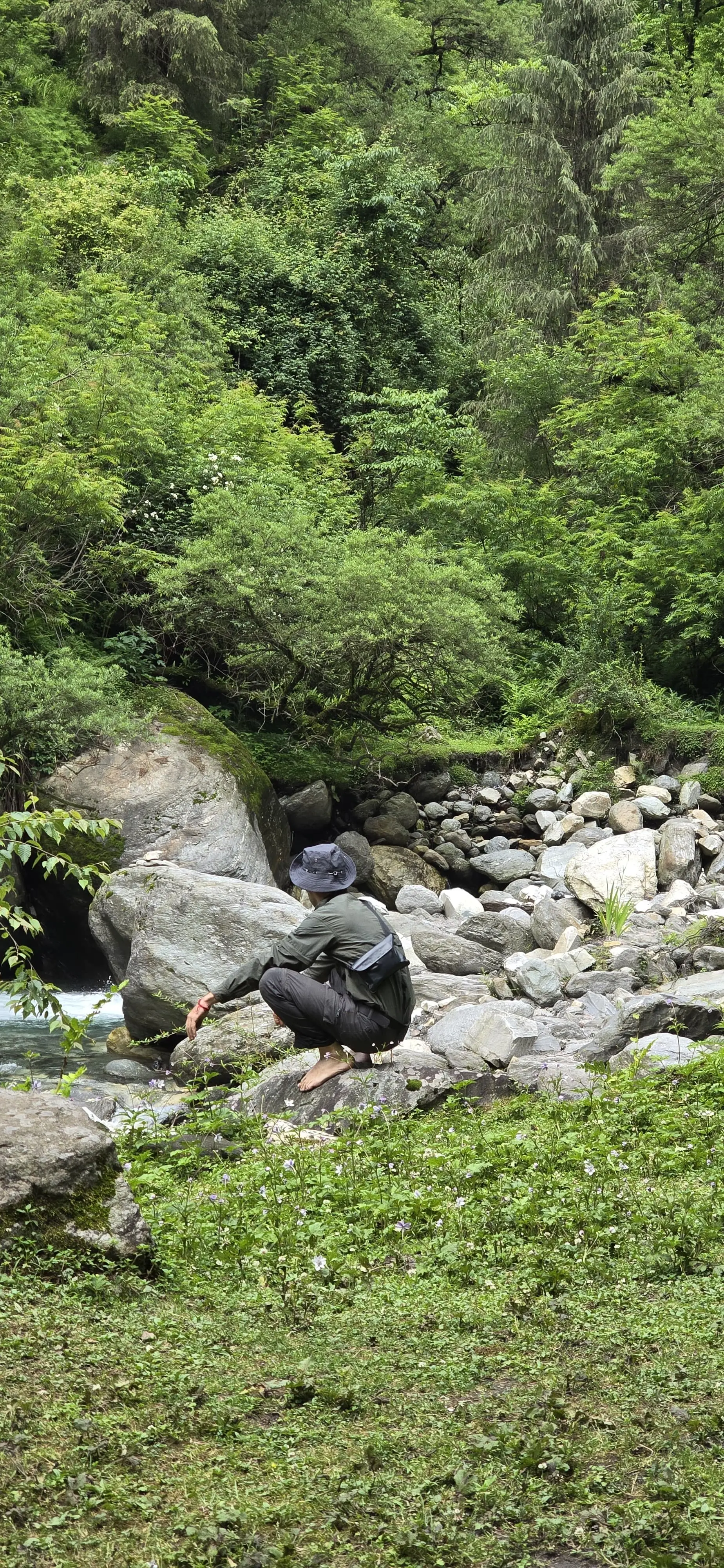
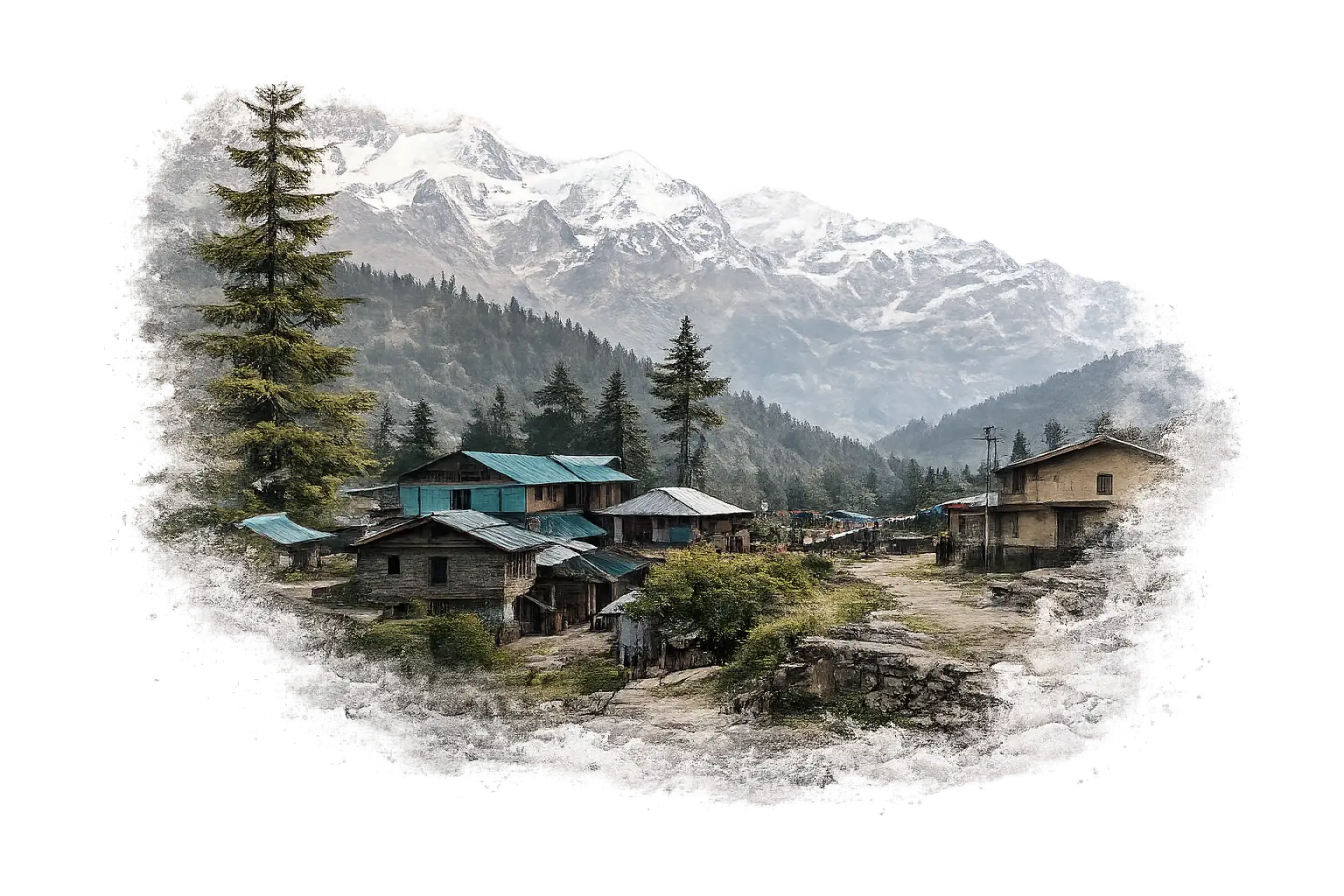
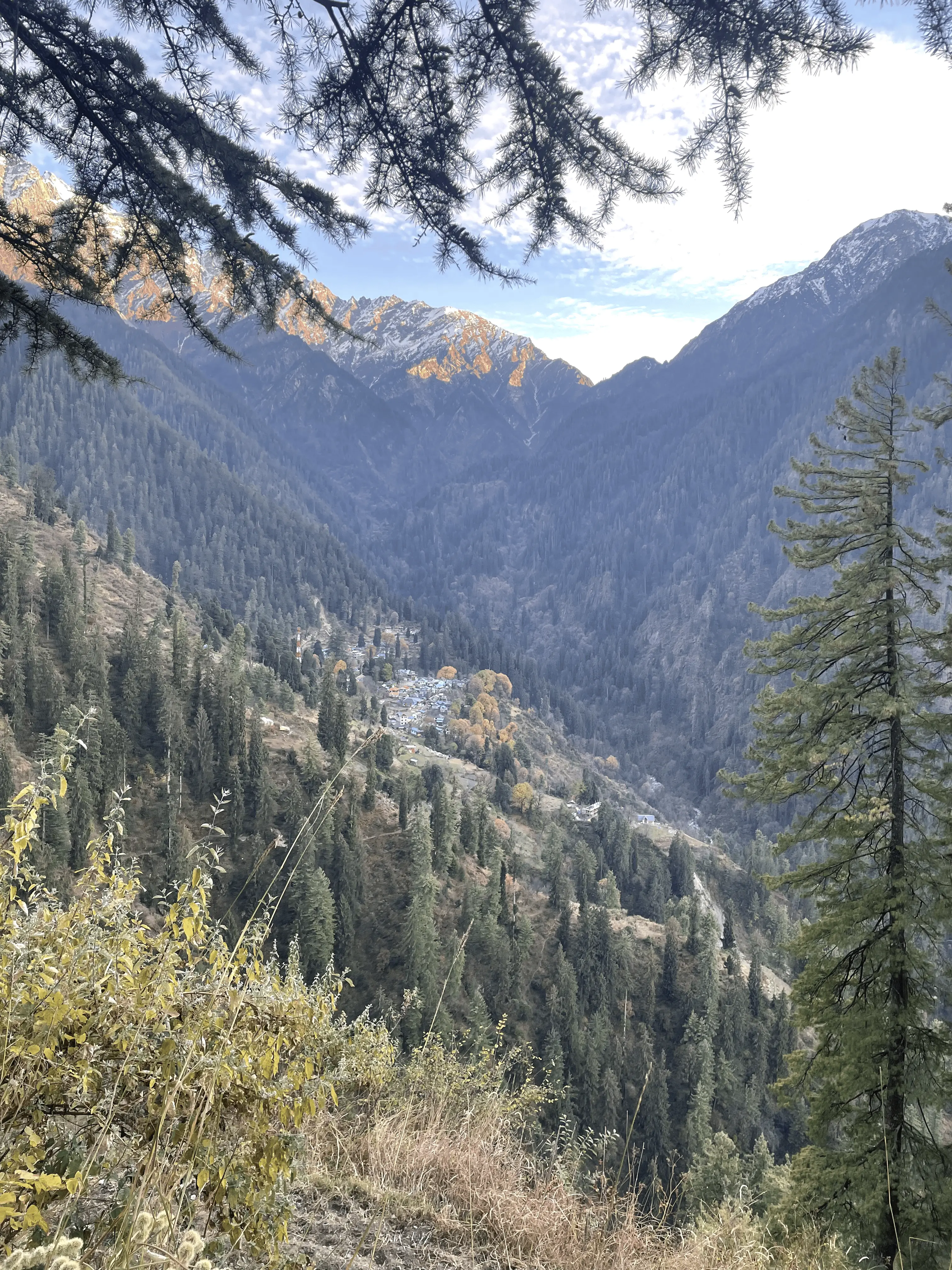
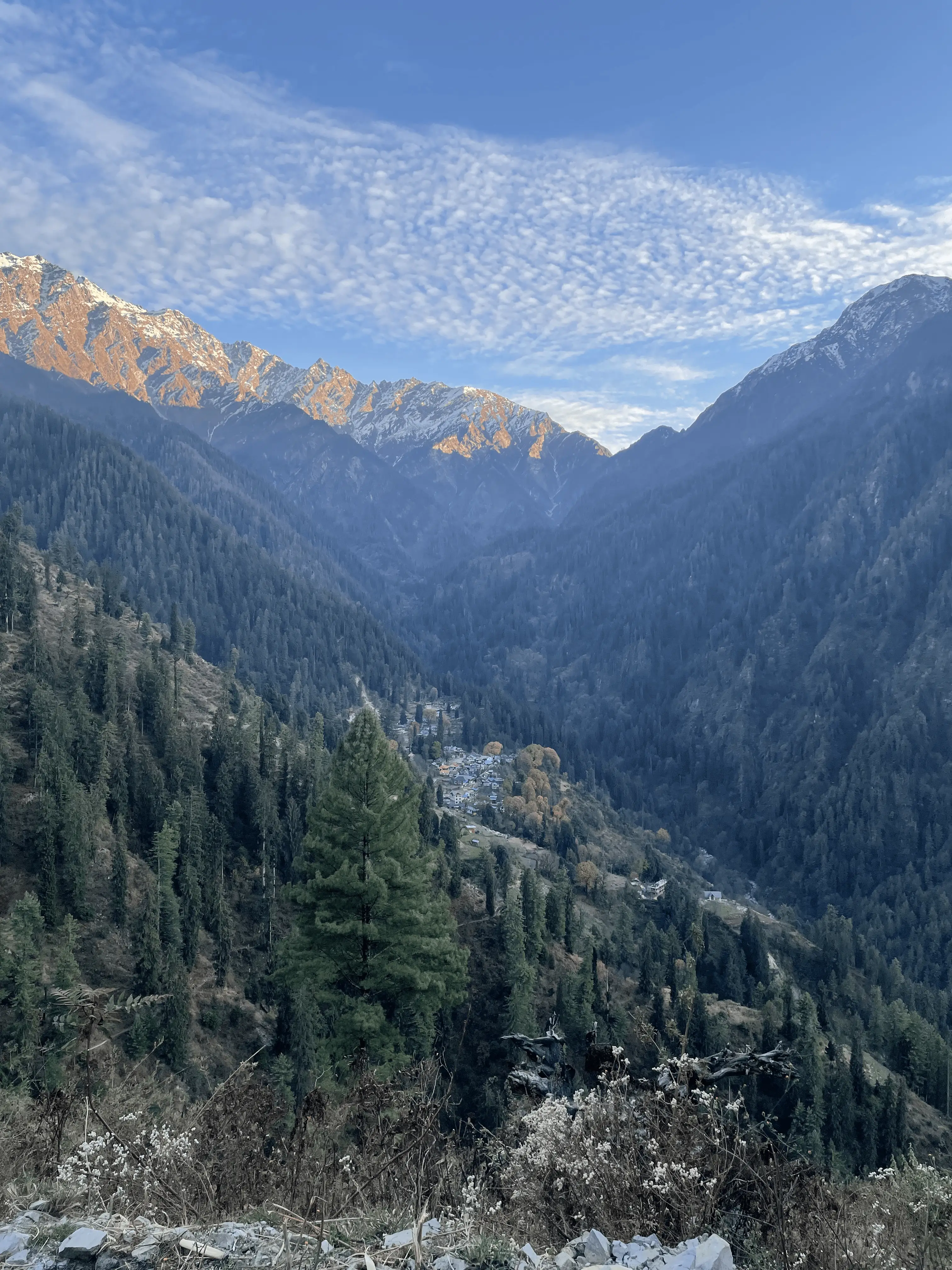
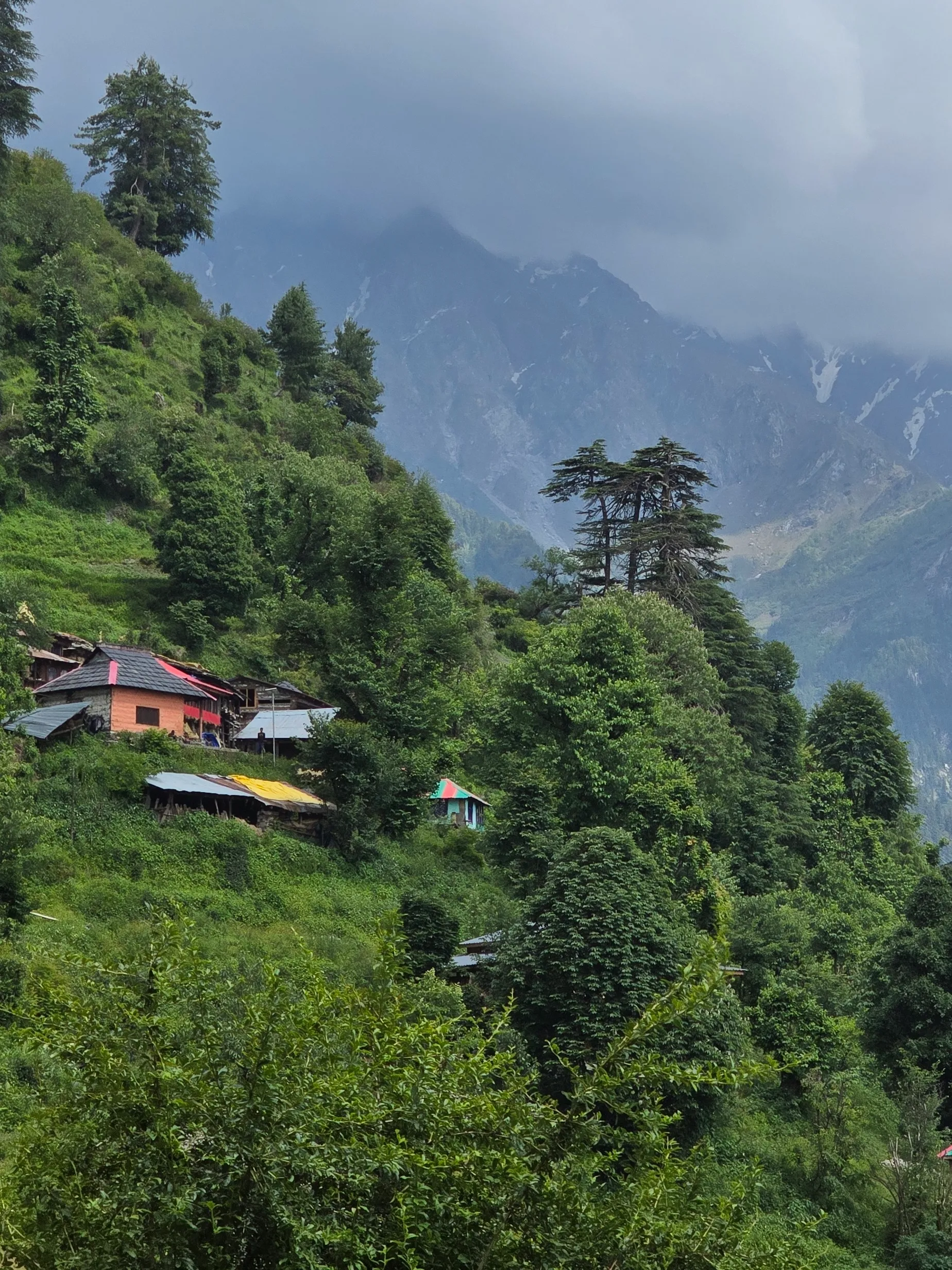
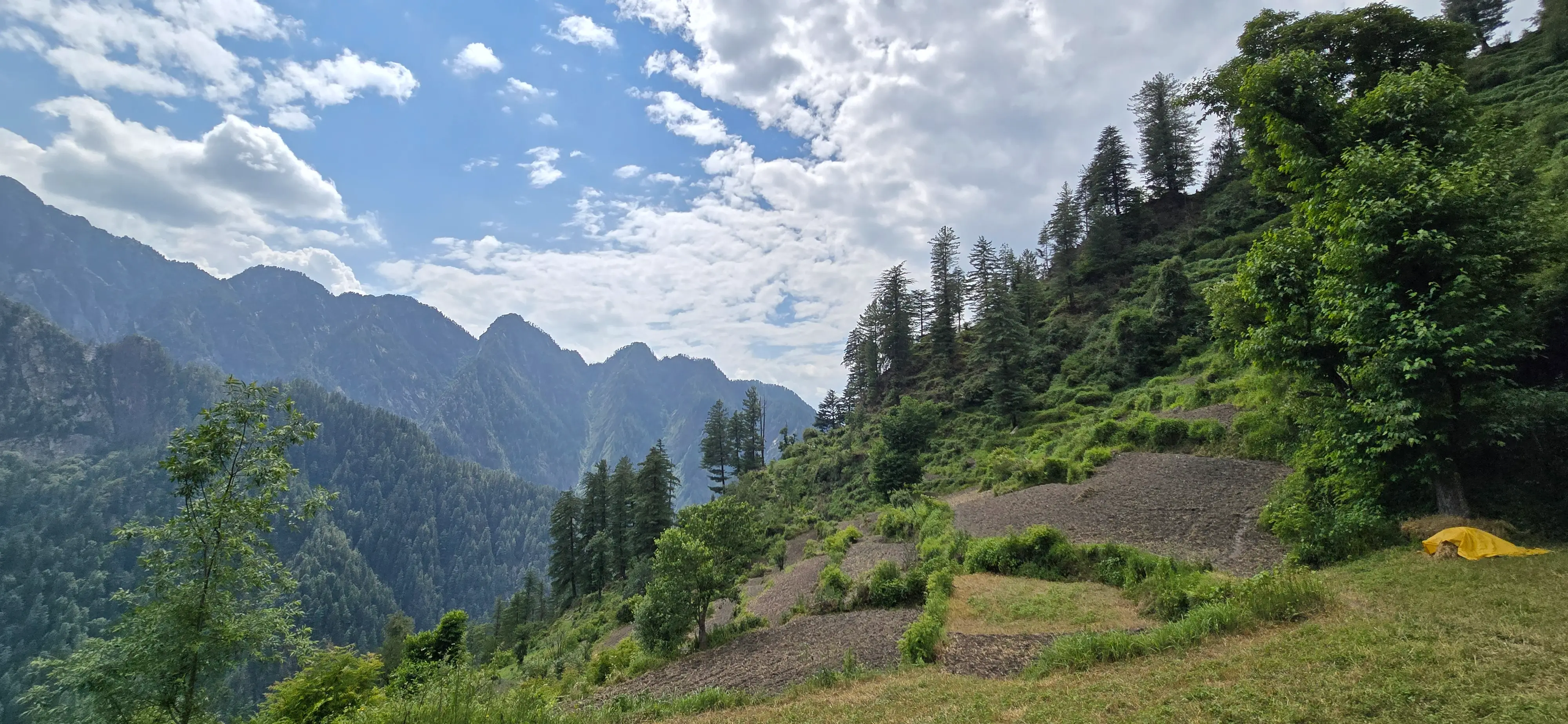
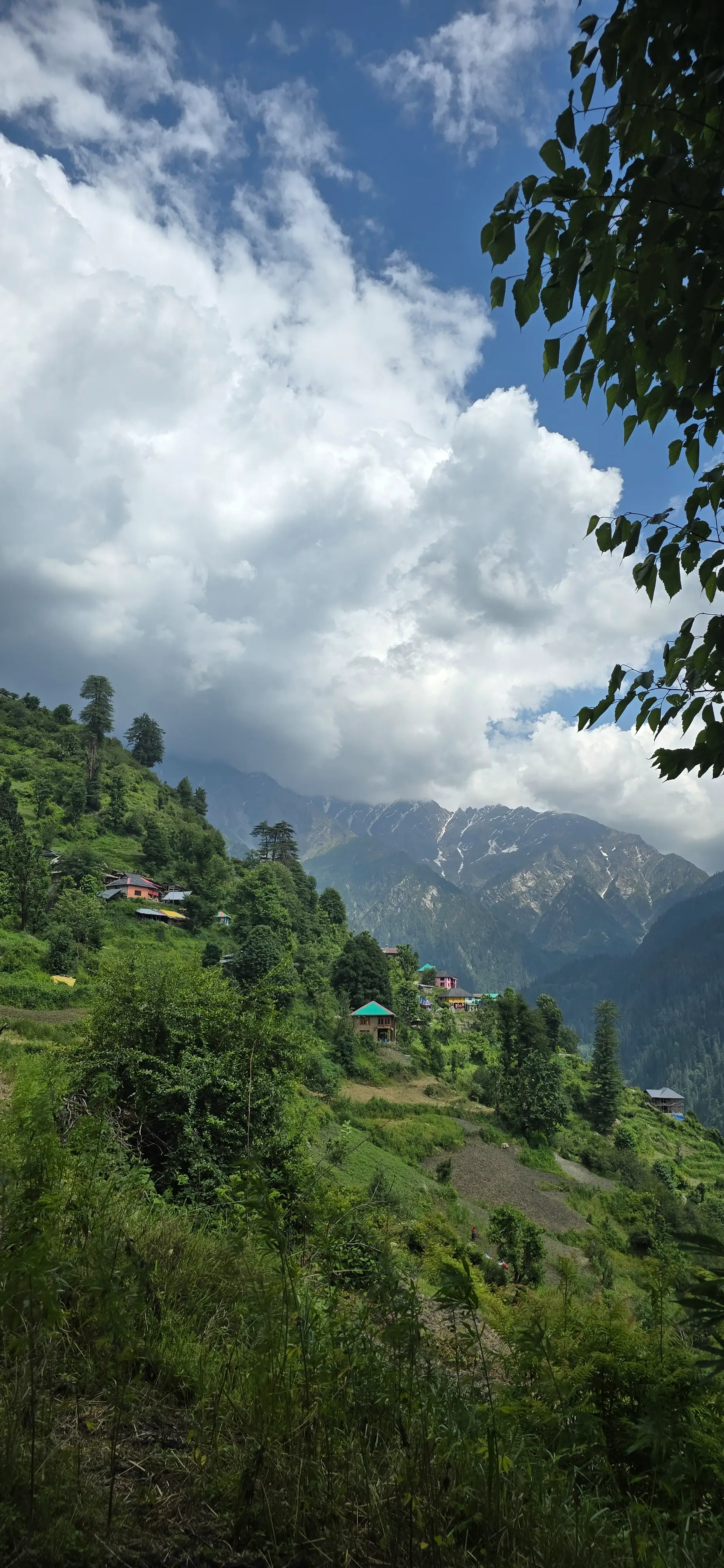
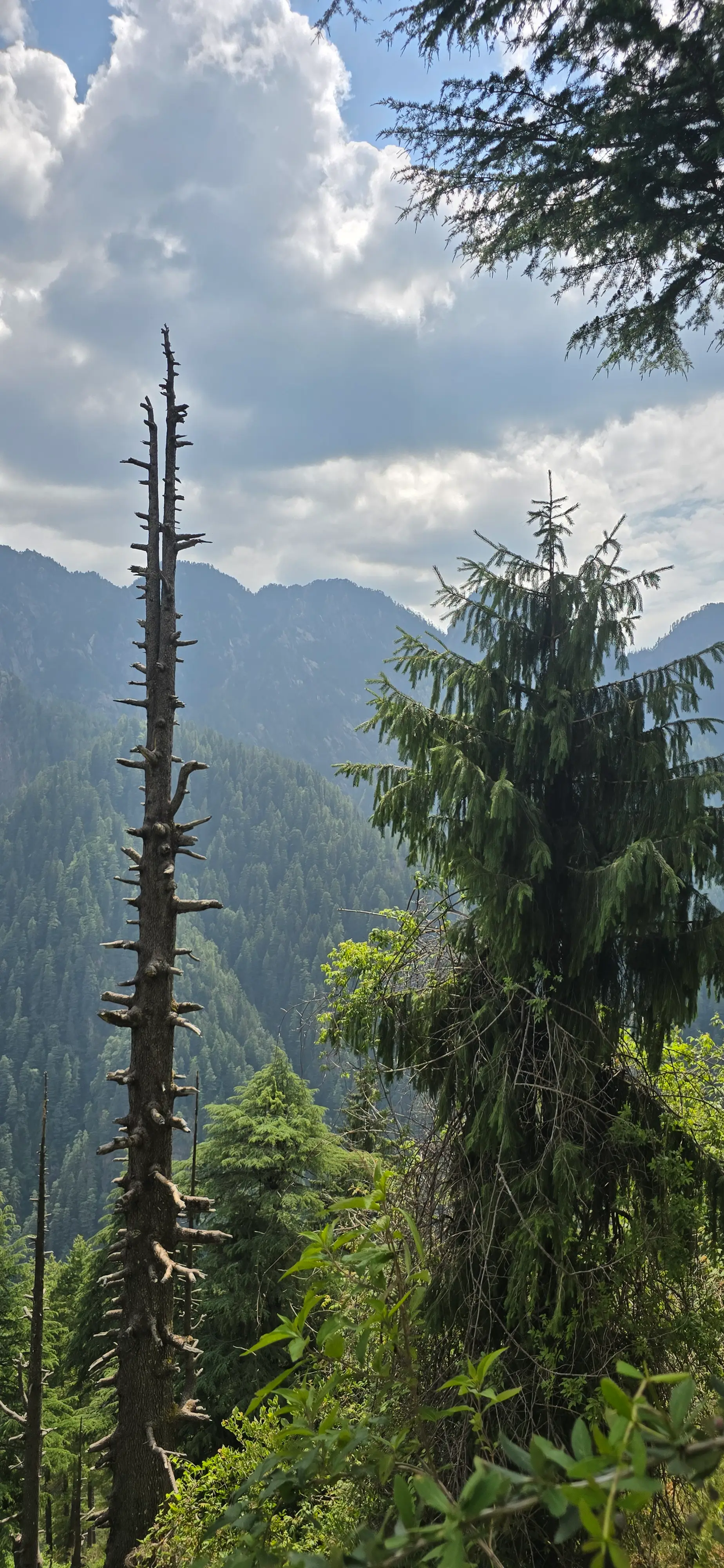
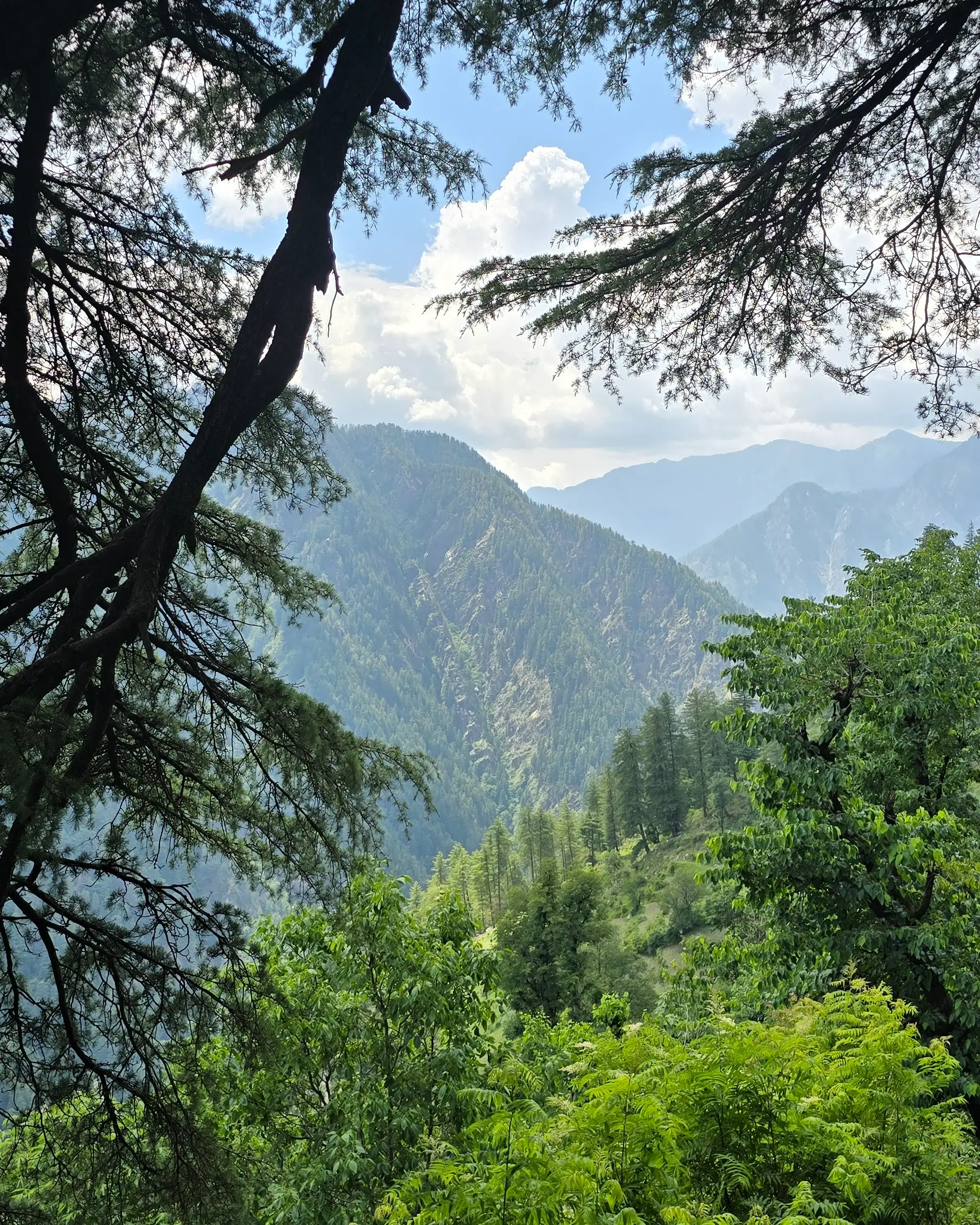
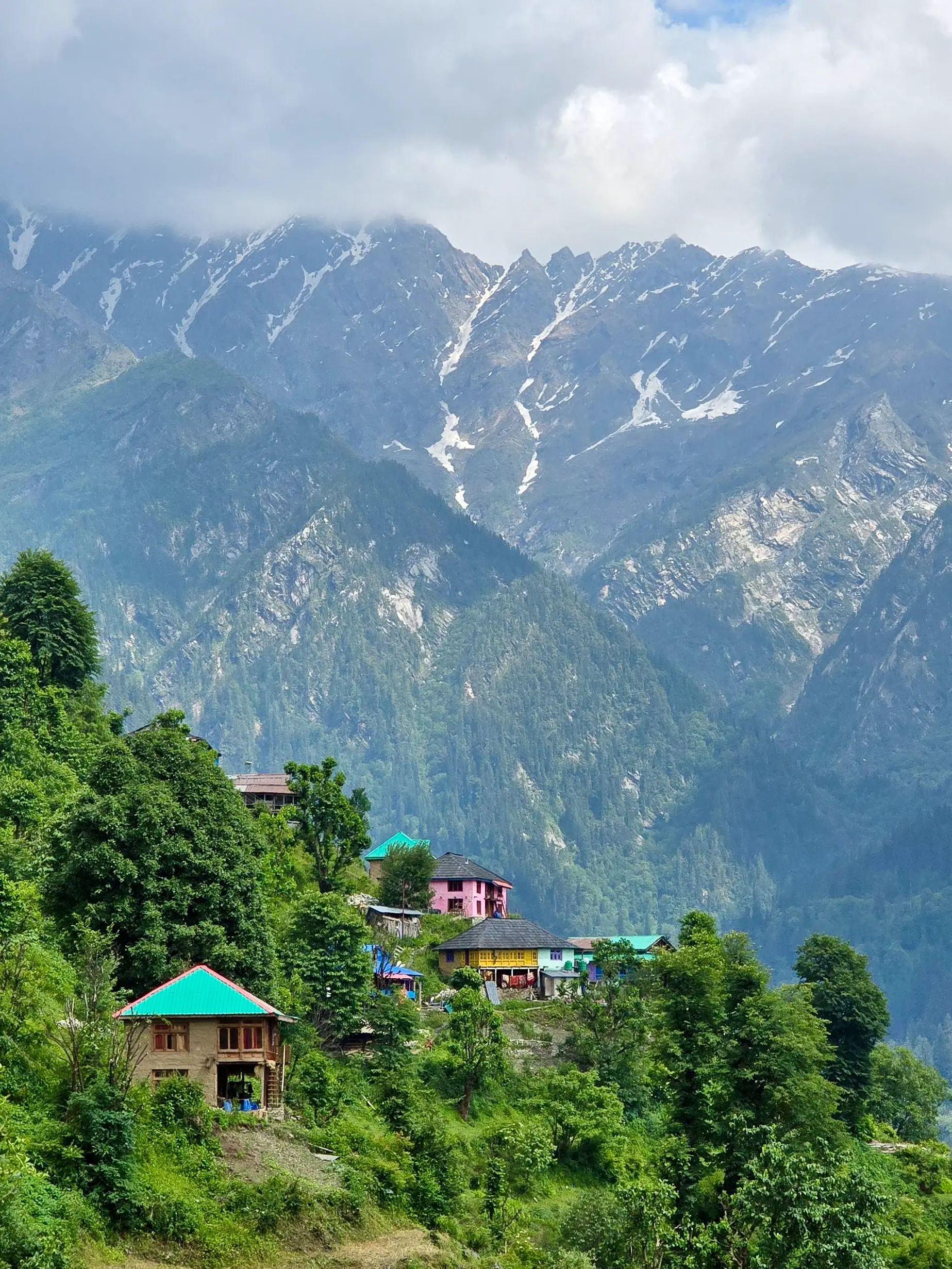
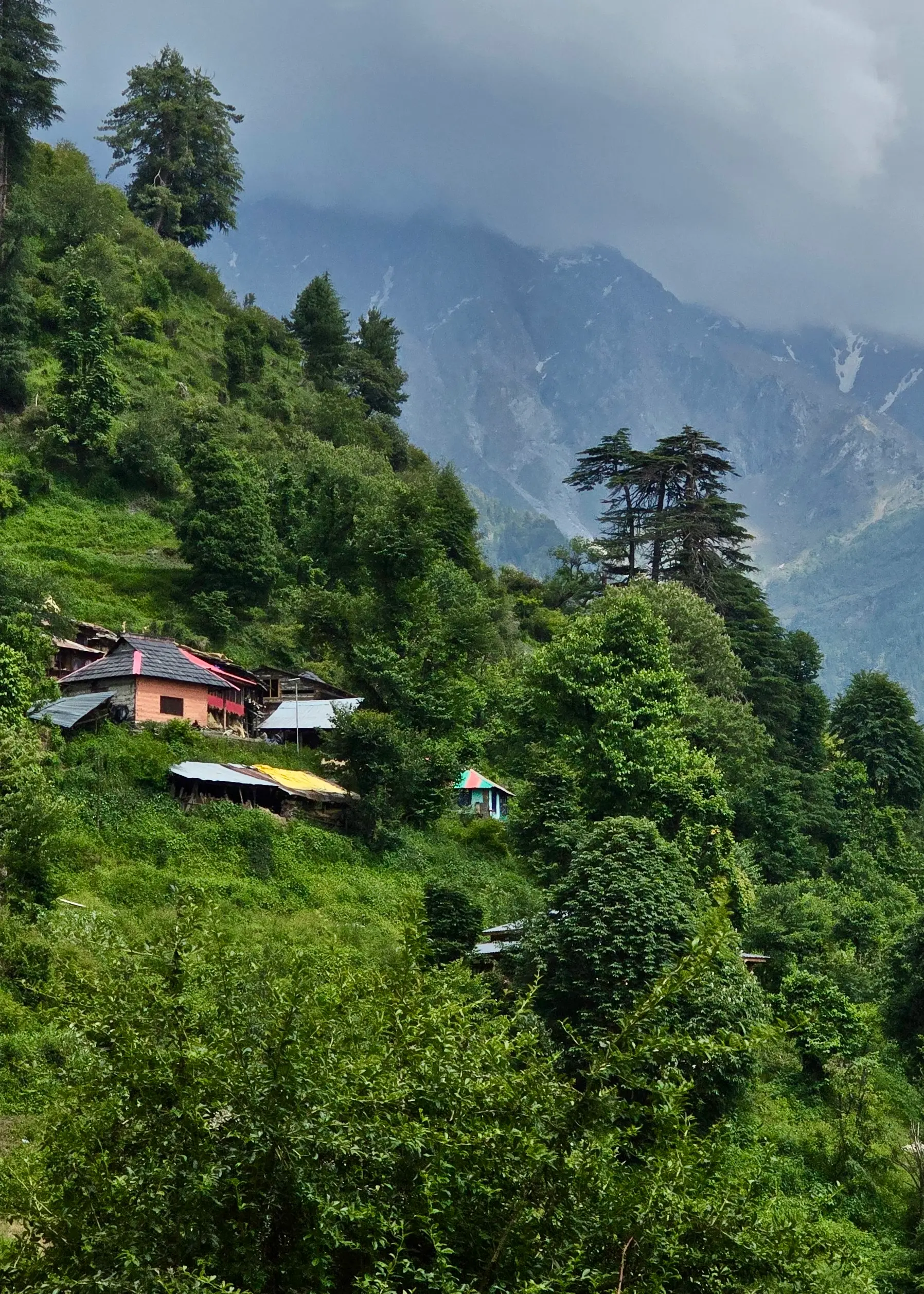
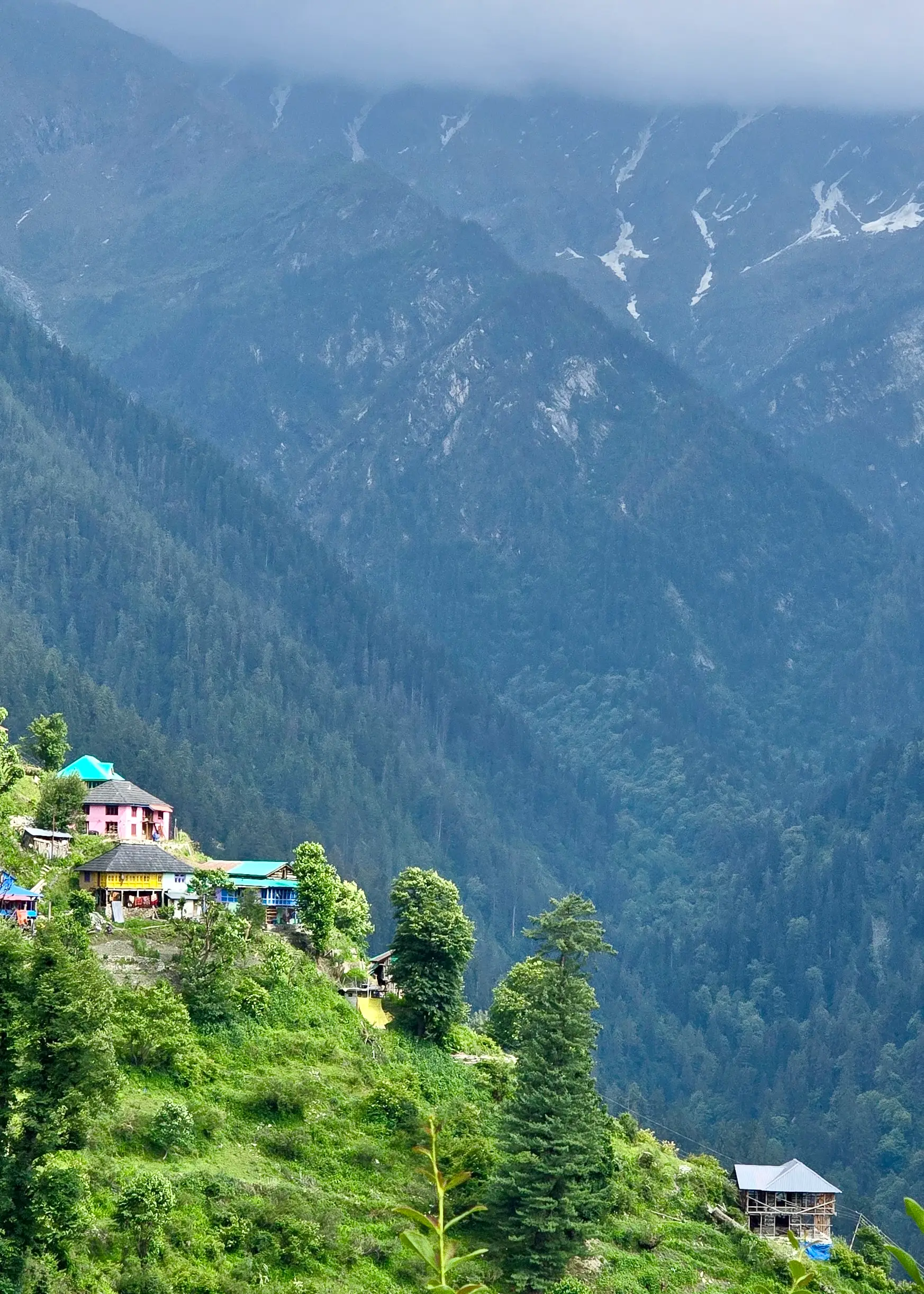
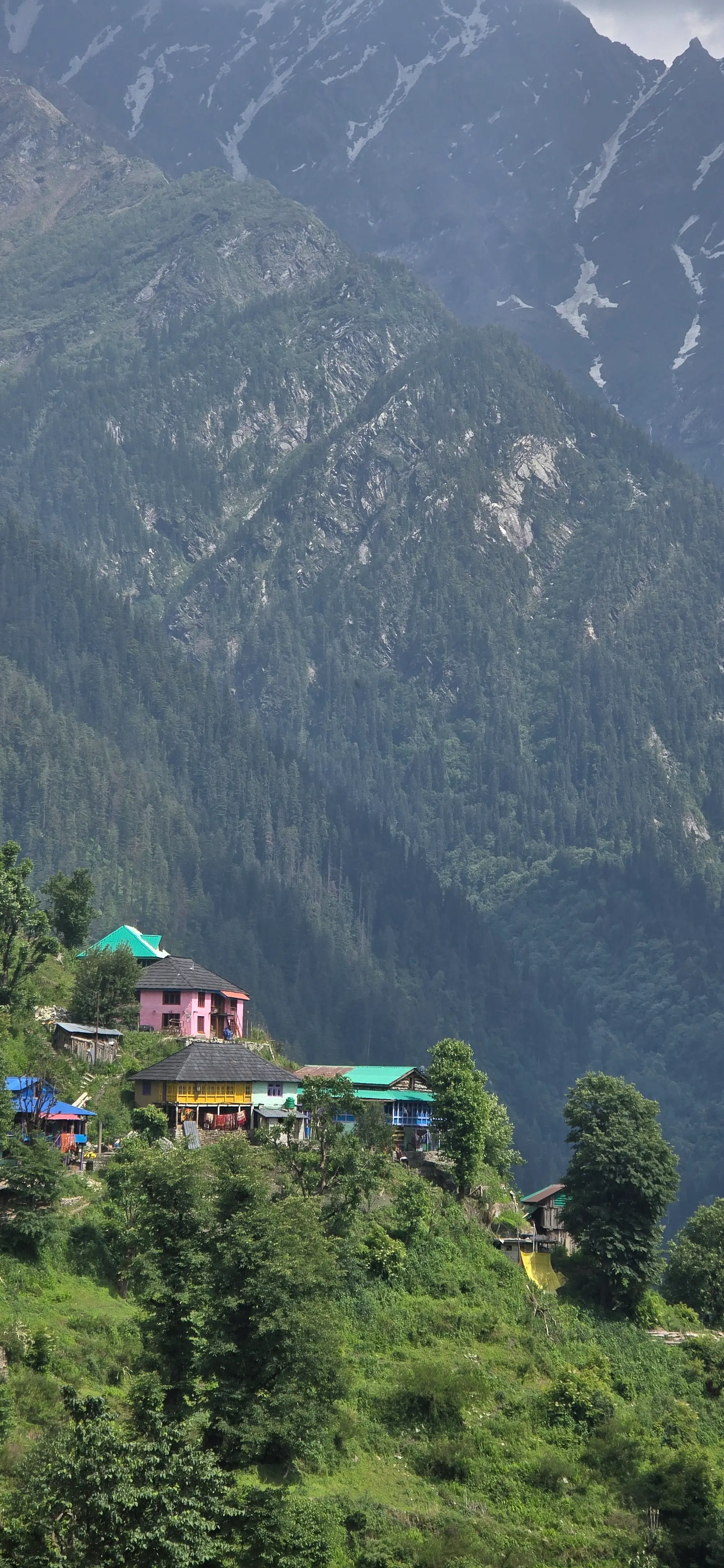
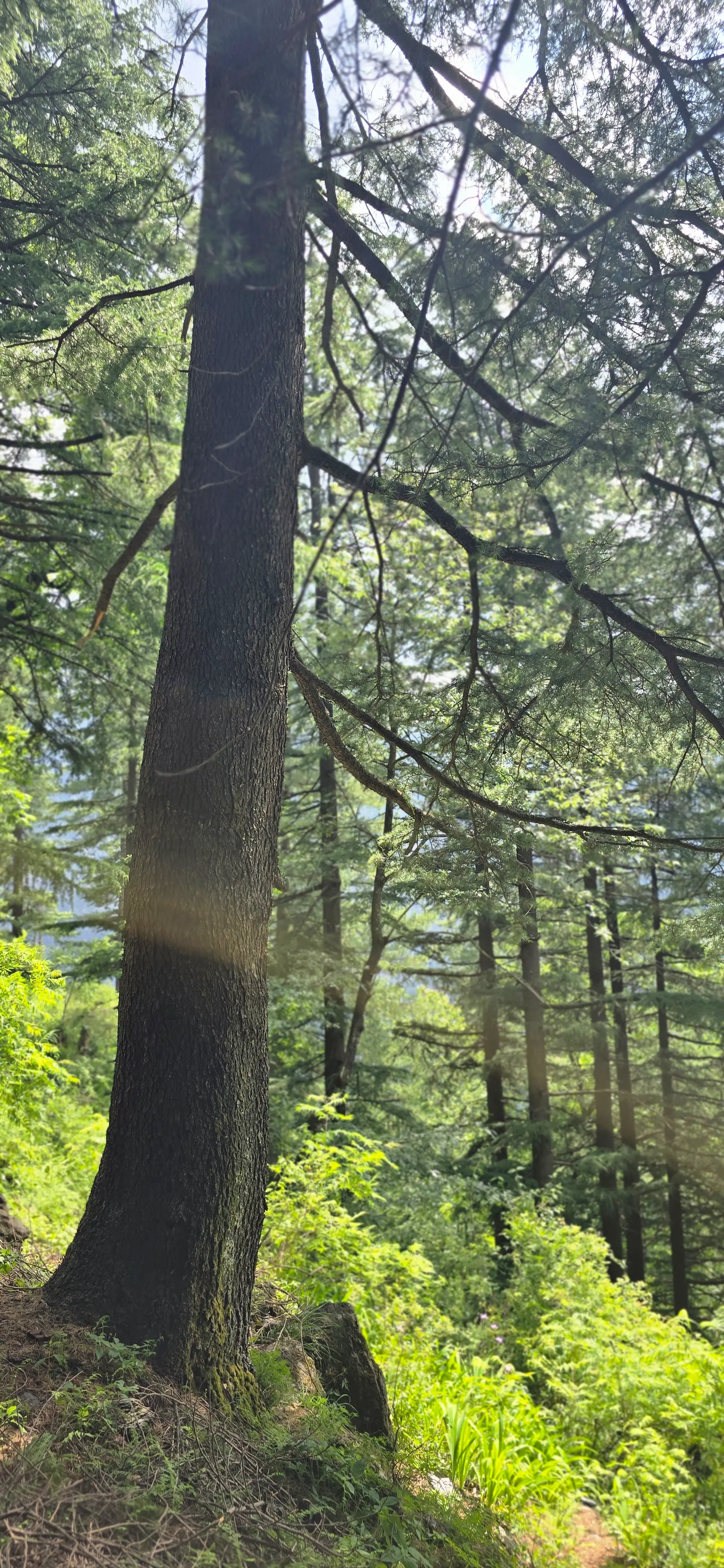
Grahan is a car-free Himalayan village perched above the Parvati River in Kullu district. Ten kilometres and a steep climb from Kasol, it is a world away in character. Around 50 stone houses, ancient deodar and oak forests, and a silence that actually settles into you. There are no roads in, no ATMs, and no mobile signal. The cafes and Rik's place have Wi-Fi though, so you can still call home or work remotely without any trouble.
Rik has called this place home and dedicated himself to showing guests what Grahan truly is. Not just a trek waypoint, but a destination with its own slow, extraordinary life, rich in Himachali tradition, organic farming, and mountain hospitality that cannot be manufactured.
On Foot, Into the Wild
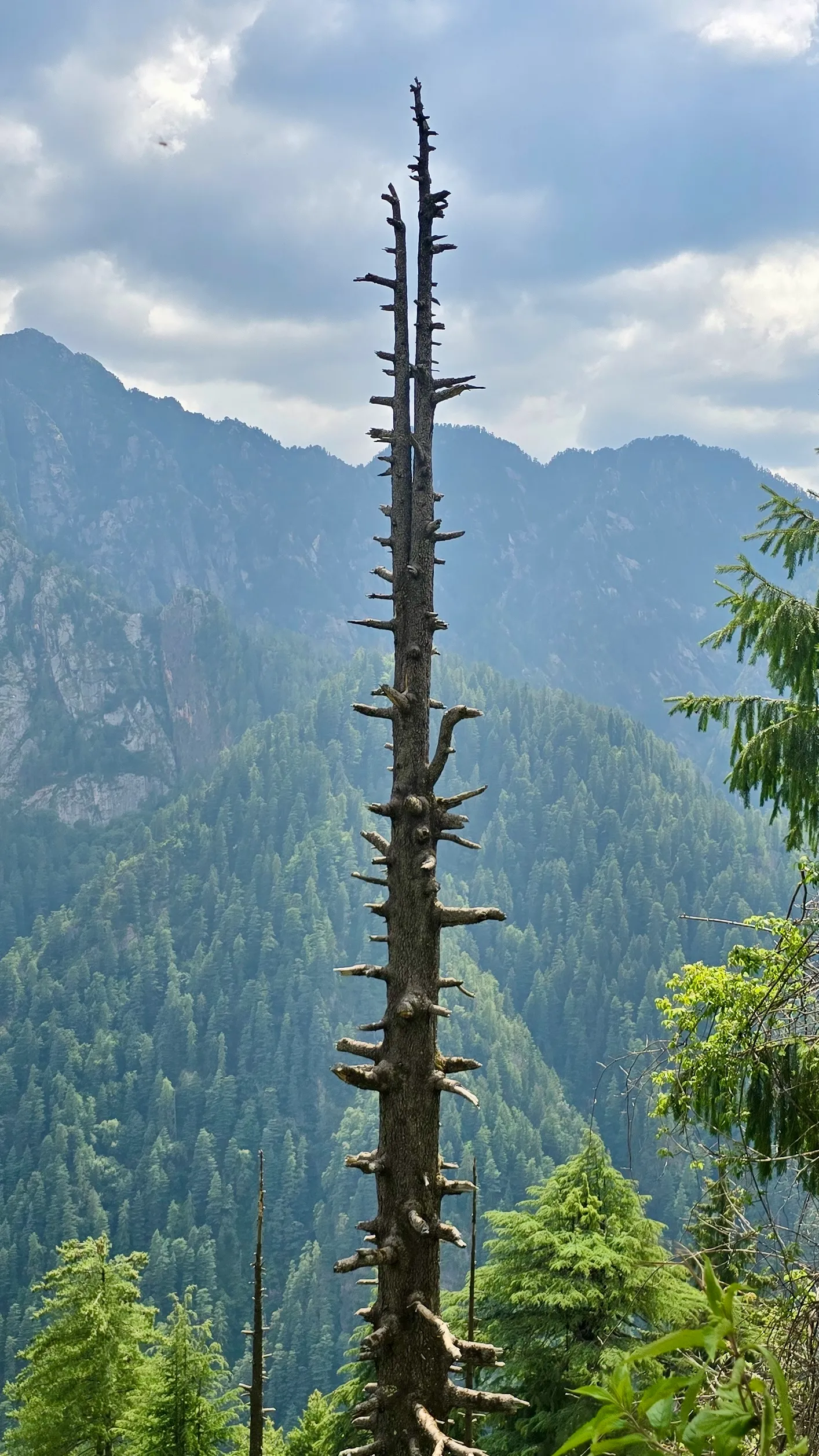
Trails That Earned Their Silence
Kasol to Grahan Village
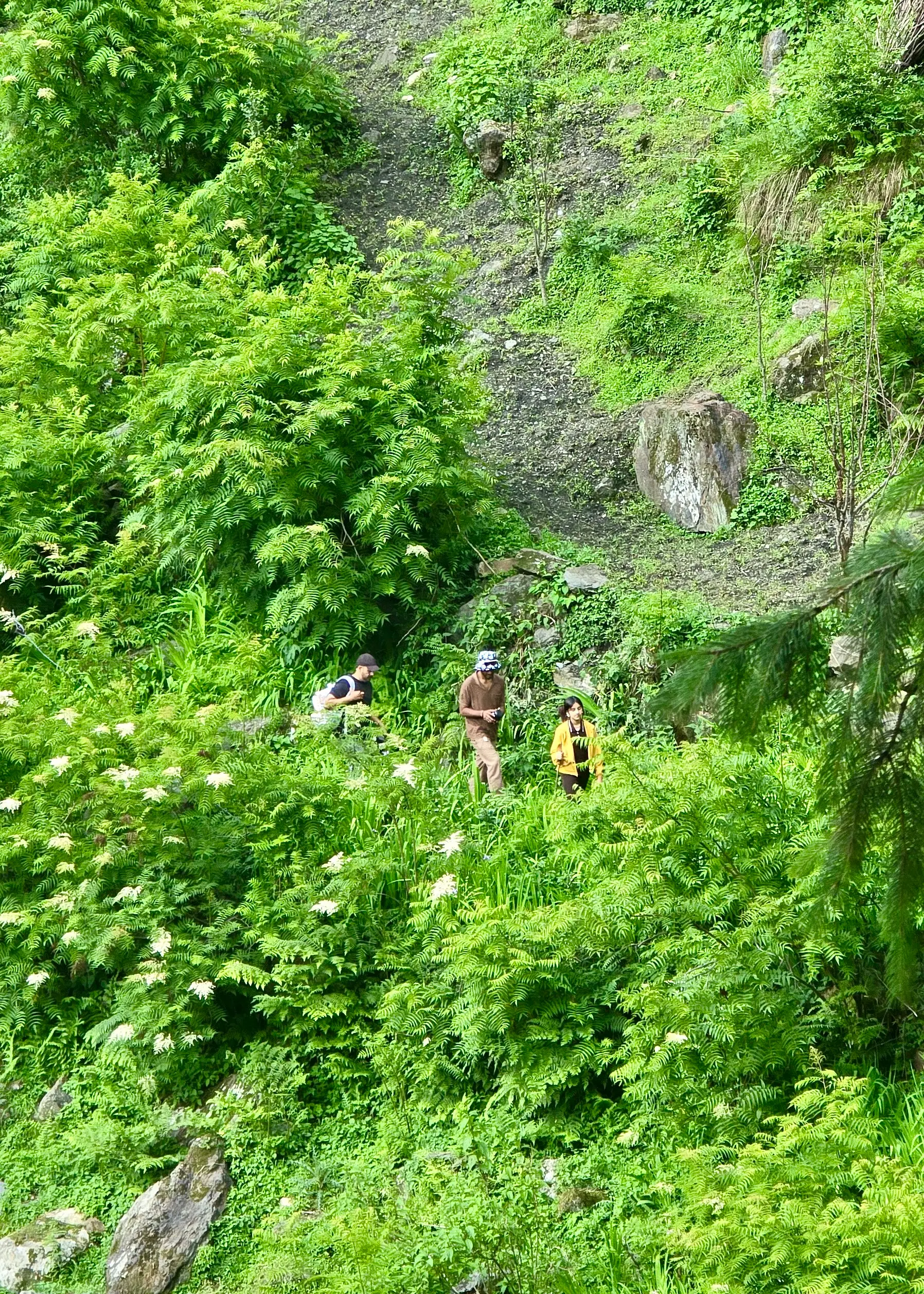
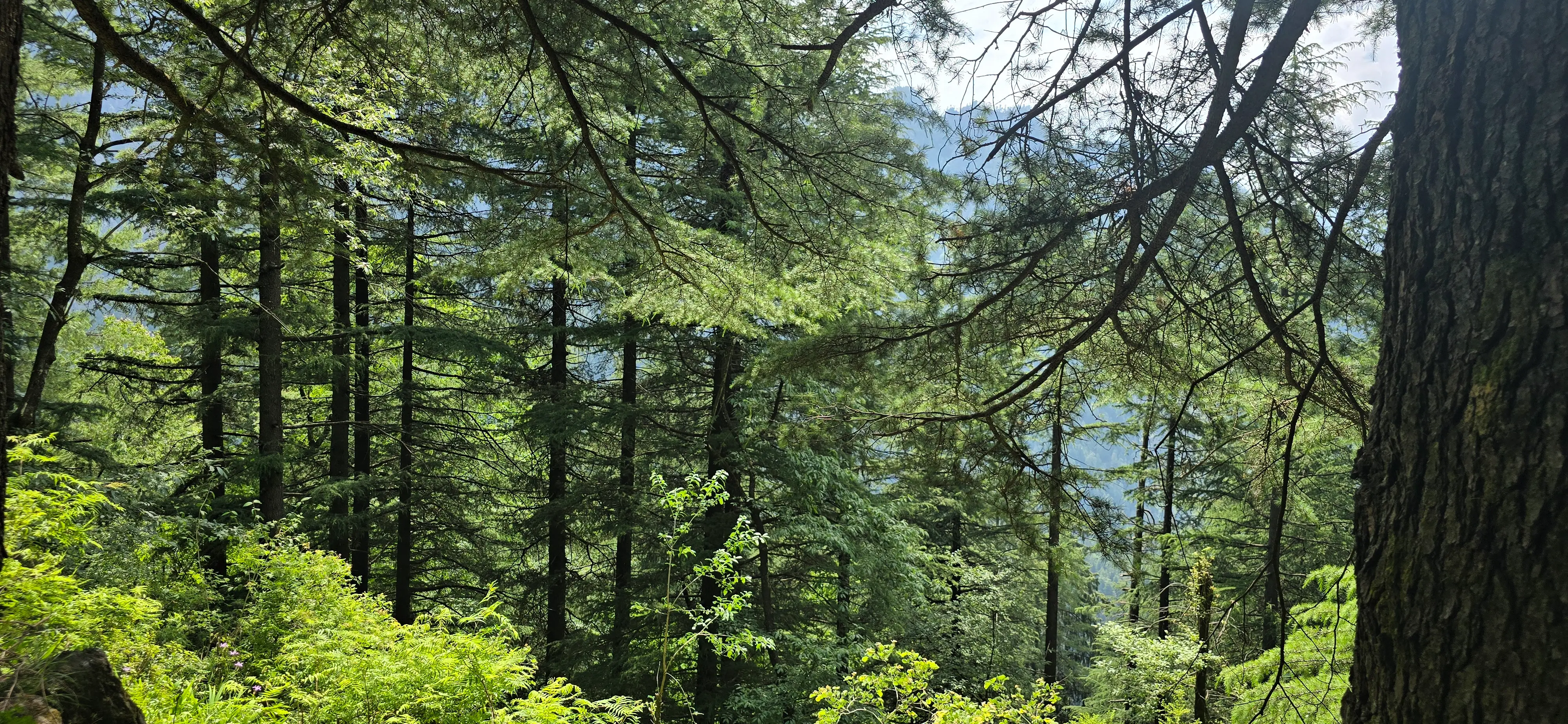
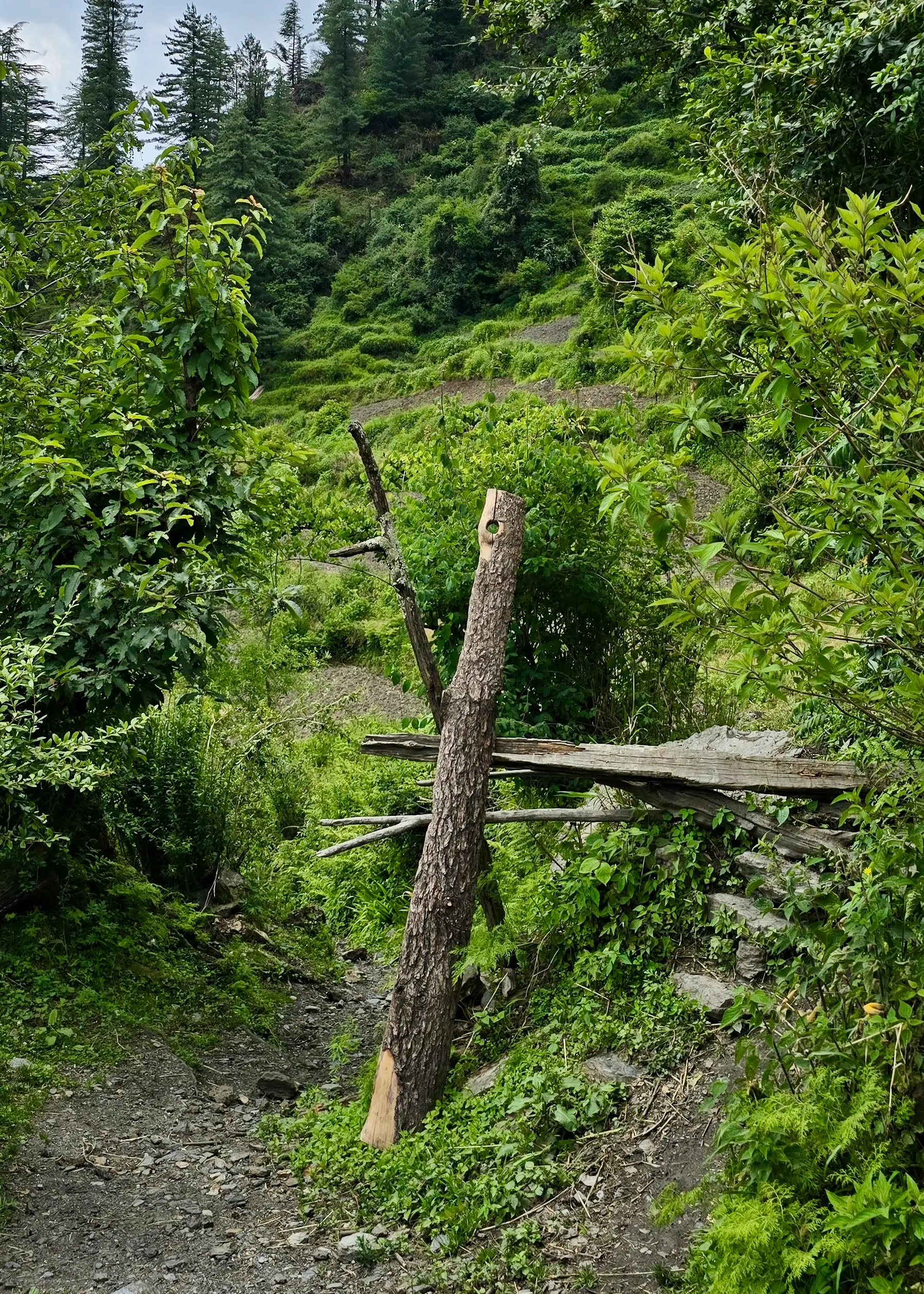
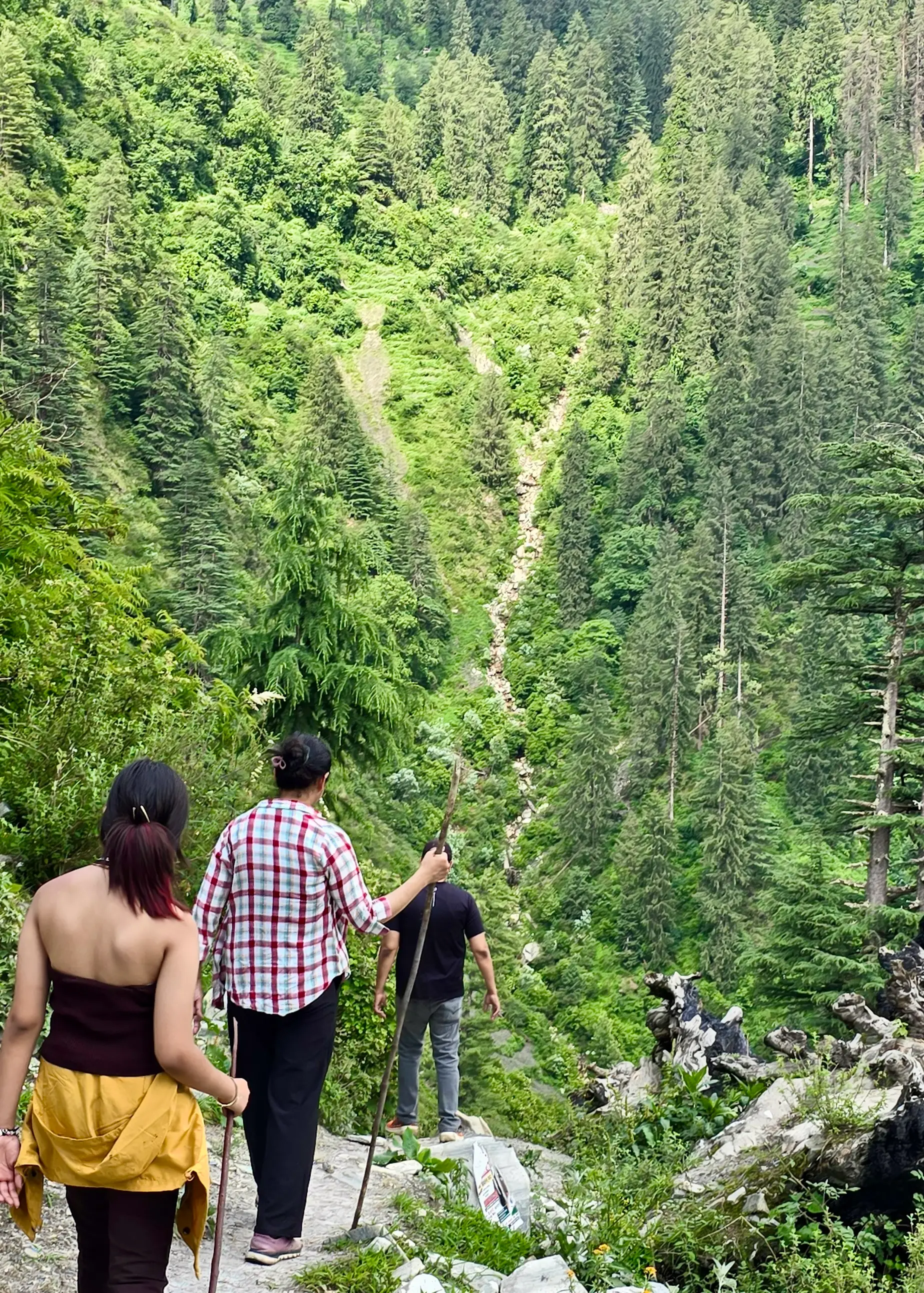
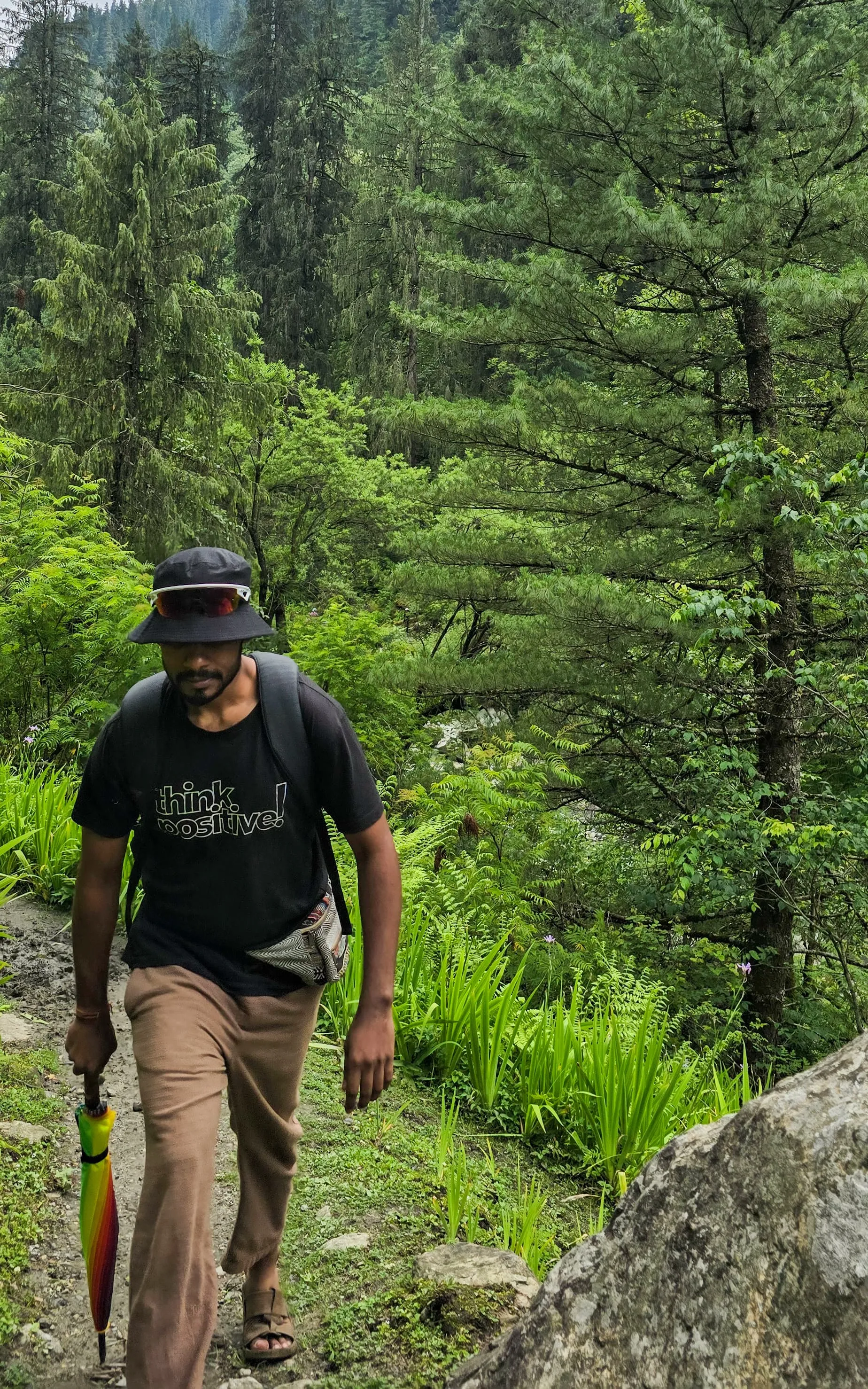
The entry passage. A dense forest climb through cedar and oak, crossing the Grahan Nala twice, past waterfalls and wooden bridges, to arrive at a village that makes you finally exhale.
Grahan to Sar Pass via Biskeri Thach
The high-altitude classic that starts from your doorstep. Endless meadows, rugged moraines, and skies that stretch forever. One of Parvati's finest multi-day routes, reaching 4,390m at the pass.
Village Ridge Walk
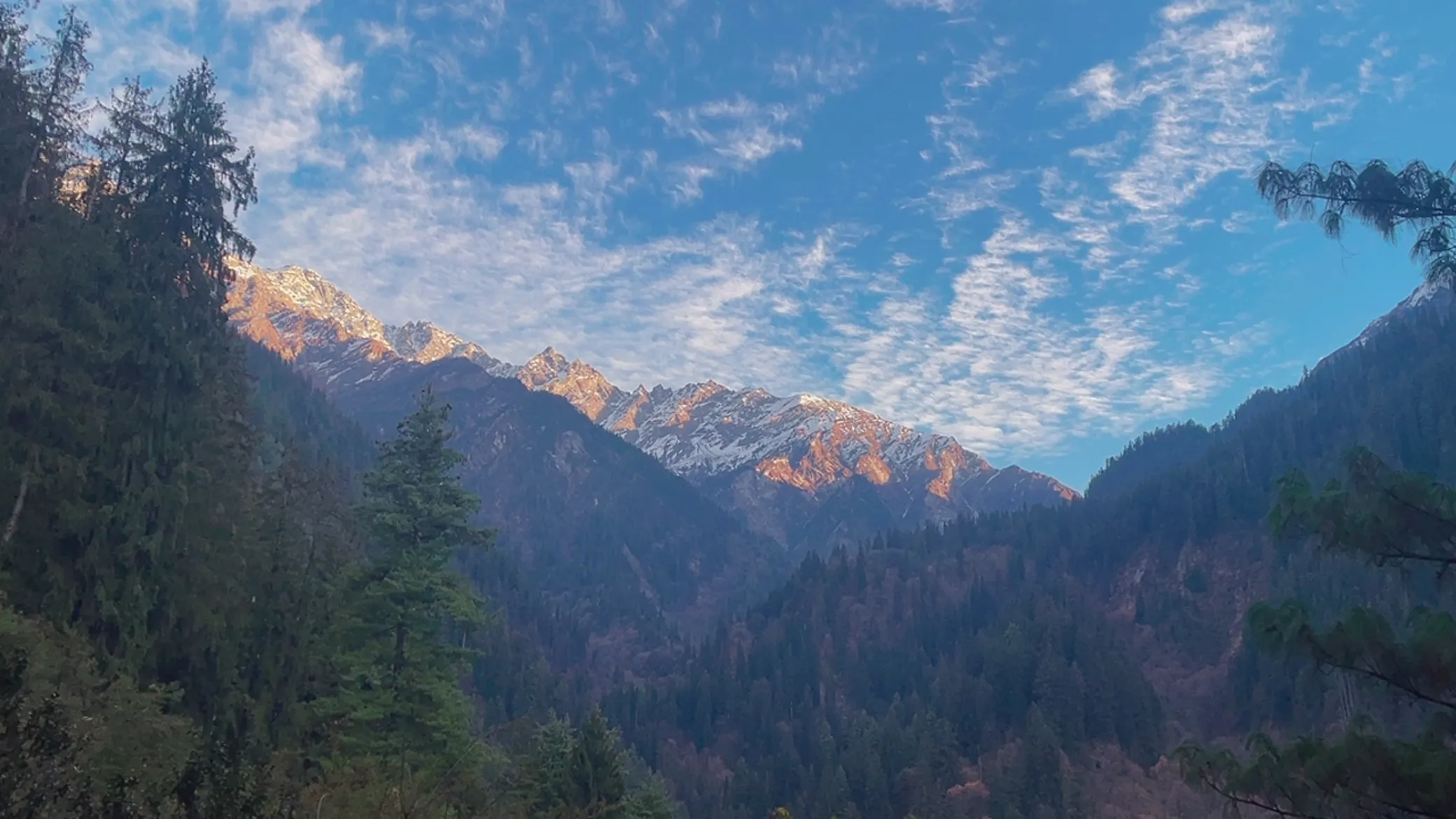
A short sunrise walk above Grahan that locals have walked for generations. No crowds, no signs, only a pristine 270-degree view of the Parvati Valley waking up below you.
Waterfall Trail
Three waterfalls on a single trail, each tumbling from rocky crevices through green moss and wildflowers. Best at first light when the forest is still and the water catches the morning sun.
The Shepherd's Circuit
A hidden loop following ancient shepherd paths above Grahan. Traverse seasonal bugyals that most outsiders never see, guided personally by Rik in small groups through landscapes that appear on no map.
Night Sky Trek to Ladog
Leave at dusk and trek by headlamp into a clearing with zero light pollution. Rik talks about the stars, the mountains, and why Grahan matters, then returns by moonlight.
Trail Restoration Day
A working trek where you join Rik and local volunteers to clear paths, collect litter, and plant saplings. Experience the valley by actively giving something back to it.
Getting Here
How to Reach Grahan Village
Grahan sits at the end of a 10 km forest trail from Kasol. There is now also a rough mountain road that reaches close to the village. Either way, the last stretch belongs to the walker.
Most Popular
Overnight Bus
Delhi → Bhuntar → Kasol → Grahan
~12 hrs · from ₹800
By Air
Fly to Bhuntar
Delhi → Bhuntar (KUU) → Kasol → Grahan
~3 hrs flying · from ₹3,500
New Road Access
Drive + Short Trek
Road reaches near village. Final section on foot.
4x4 recommended · Call Rik first
Anywhere in India → Bhuntar, Himachal Pradesh
Get to Bhuntar, the gateway to Parvati Valley
Bhuntar is where all routes into the Parvati Valley converge. From Delhi: board an overnight Volvo or semi-sleeper bus from Kashmere Gate ISBT, with multiple operators running nightly departures from around 6 PM, arriving Bhuntar at dawn (10 to 12 hours, ₹800 to ₹1,100). By air: Bhuntar Airport (IATA: KUU) has daily IndiGo and Air India flights from Delhi. The 55-minute flight keeps the total journey under 3 hours. By train: the nearest railhead is Joginder Nagar, about 4 hours by road from Kasol, useful if you are coming from the east.
Bhuntar → Kasol
Take the local bus or taxi along the Parvati River
From Bhuntar bus stand, HRTC local buses run to Kasol throughout the day for ₹50, a scenic one-hour ride hugging the Parvati River. Shared taxis from Bhuntar cost around ₹150 to ₹200 per seat. A private taxi runs ₹1,000 to ₹1,200. Kasol is 30 km from Bhuntar.
Kasol: Last Stop Before the Mountains
Prep in Kasol. Everything you forget here stays forgotten.
Kasol has the only ATM serving the entire Parvati Valley. Withdraw enough cash for your full stay. There is no mobile signal in Grahan, though the cafes and Rik's place have Wi-Fi. Download Google Maps offline for the Grahan area just in case, and load up on snacks and water. The trailhead for Grahan begins just across the main suspension bridge on the east end of Kasol.
Kasol → Grahan Village
Trek through cedar forest, or take the new road
The trek is 10 km along the Grahan Nala through dense cedar and oak forest. The trail gains around 700 metres in elevation, with two stream crossings and a steeper final climb. Most people cover it comfortably in 4 to 5 hours. This is the classic route and the most rewarding approach. The road is a new rough mountain track that can get vehicles considerably closer to Grahan, which is useful if you have heavy luggage or limited mobility. Road conditions vary by season. Call Rik before arriving to check the current state and whether vehicle access is possible right up to the village.
Before you travel
Call Rik to confirm road conditions and arrange your stay
Rik is Grahan's host and guide. A quick call before you leave will save you significant uncertainty on the day, especially regarding road access and accommodation availability.
Plan Your Visit
When to Come to Grahan
The village changes completely with the seasons. Here is what to expect through the year.
The valley is lush and green, wildflowers cover the meadows, and daytime temperatures sit at a pleasant 10 to 20°C. Trails are open and visibility is exceptional. Best for first-time visitors.
Best SeasonDramatic waterfalls and intense green, but trails are slippery and rain can be heavy. The Grahan Nala crossings require extra care. Beautiful if you do not mind wet weather.
Experienced TrekkersThe rain clears, the air is crisp, and the forests turn gold. Fewer tourists, cooler nights, and the clearest mountain views of the year. Many returning visitors say this is their favourite time.
Highly RecommendedHeavy snowfall covers everything. The trail from Kasol becomes very challenging and the village is largely cut off. Only experienced trekkers in full winter gear should attempt this period.
Experts OnlyYour Host
Meet Rik
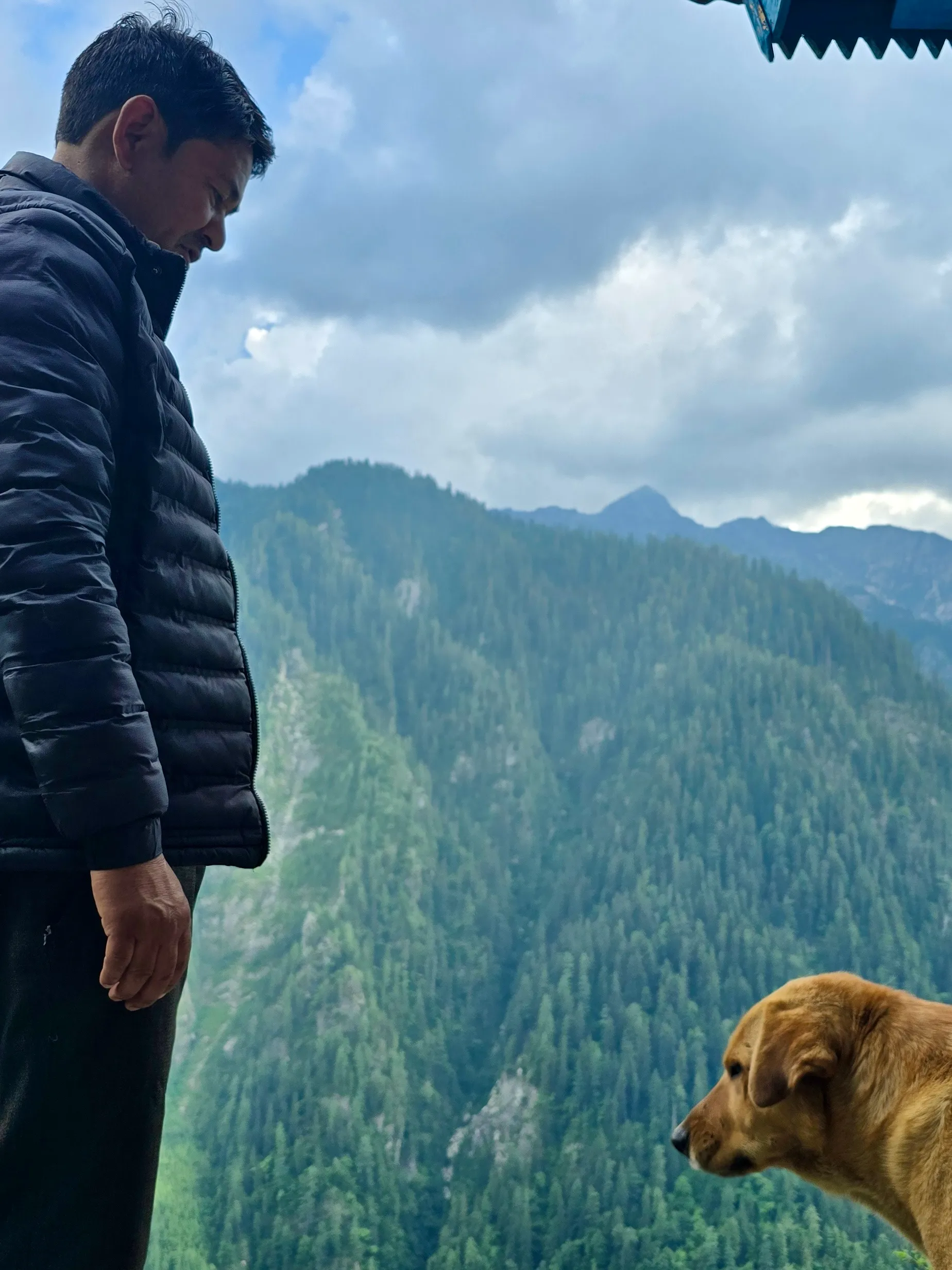
Rik is the one person behind everything here. He manages the hospitality, leads the treks, and champions the Vanmaa initiative. He grew up knowing these forests and trails not as attractions but as home, and he hosts with that exact same instinct. He is warm, deeply knowledgeable, and never performative.
When you stay with Rik, you are not just booking a room. You are being invited into a relationship with a place. He will point out which trail catches the best afternoon light, cook traditional Himachali meals with local ingredients, and if you are lucky, take you to hidden ridge spots that appear on no map.
"Grahan deserves visitors who leave it better than they found it. I am here to make that easy." Rik, Grahan Village
Know Before You Go
Life in Grahan
What makes Grahan genuinely different from every other mountain destination in India.
No Mobile Signal, but Wi-Fi Works
Not a single bar of mobile signal reaches the village or the trail in. Once you arrive, Rik's place and the local cafes have Wi-Fi, so you can call over WhatsApp, video call, or work remotely without trouble. Download offline maps before you leave Kasol.
Alcohol is Prohibited
The village strictly bans alcohol, and the fine for violating this rule is significant. This is a deeply held custom, not a request. Respect it absolutely.
Ancient Temple
Grahan has a small temple dedicated to Lord Shiva at its centre, visited by locals and trekkers alike. Remove shoes before entering and ask before photographing inside.
Living Village, Not a Resort
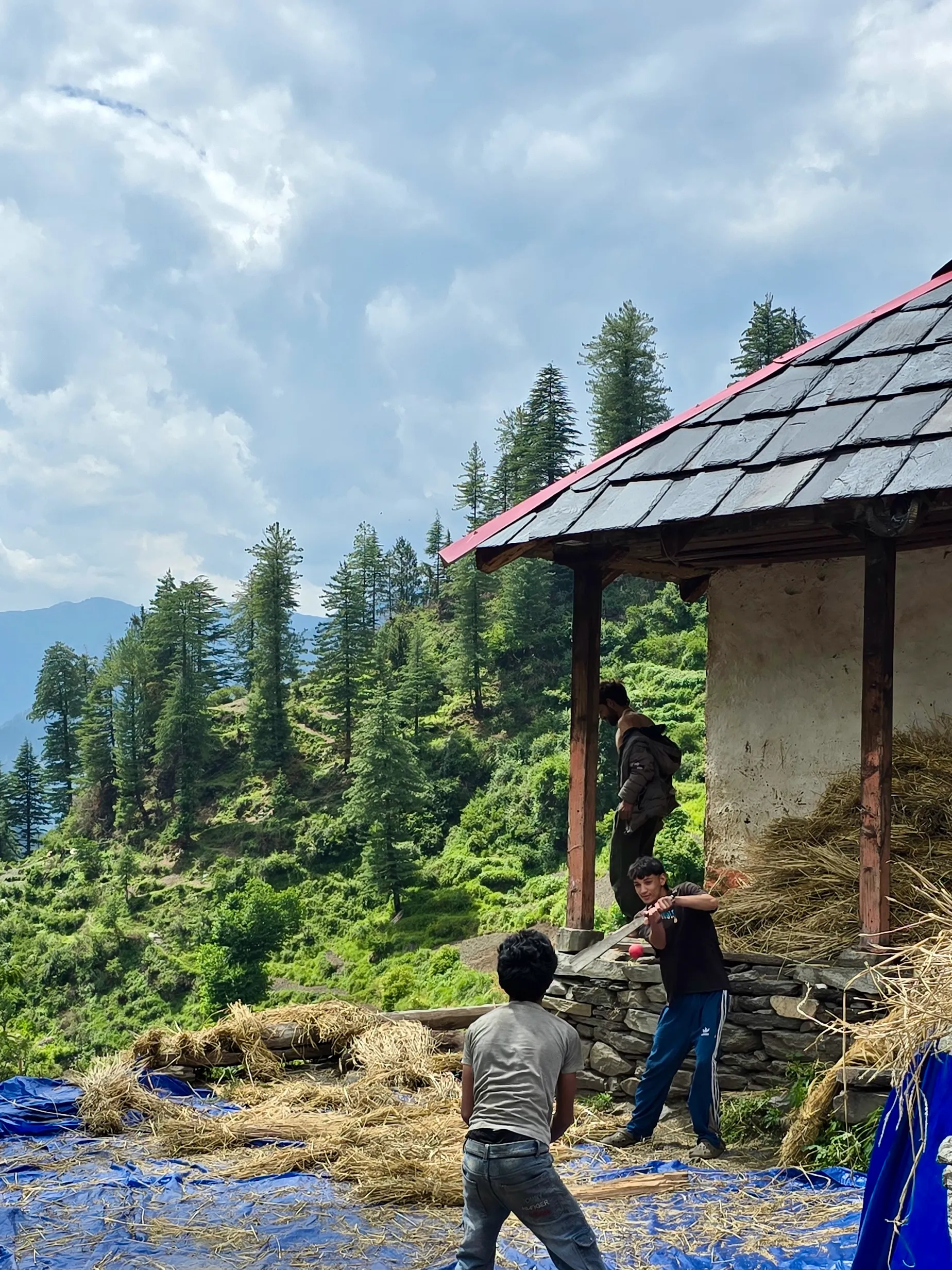
Roughly 350 people farm potatoes, apples, and herbs here. The village runs on its own rhythm. Come as a guest, not a consumer. The experience will be better for it.
The Water Tastes Different
Glacial streams running down from the peaks feed directly into the village. Fill your bottle on the trail. It is some of the cleanest water you will ever taste, anywhere.
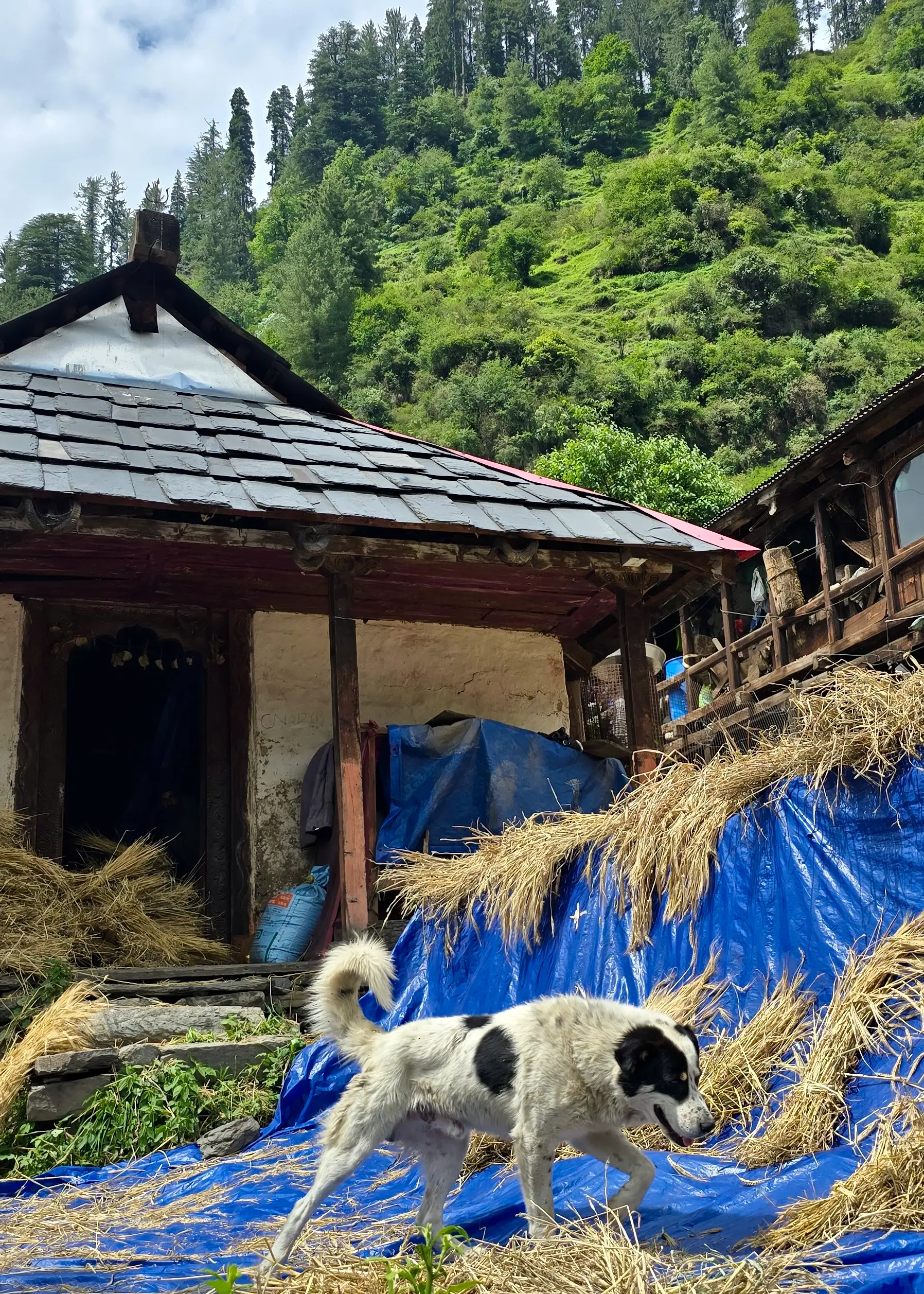
Traditional Architecture
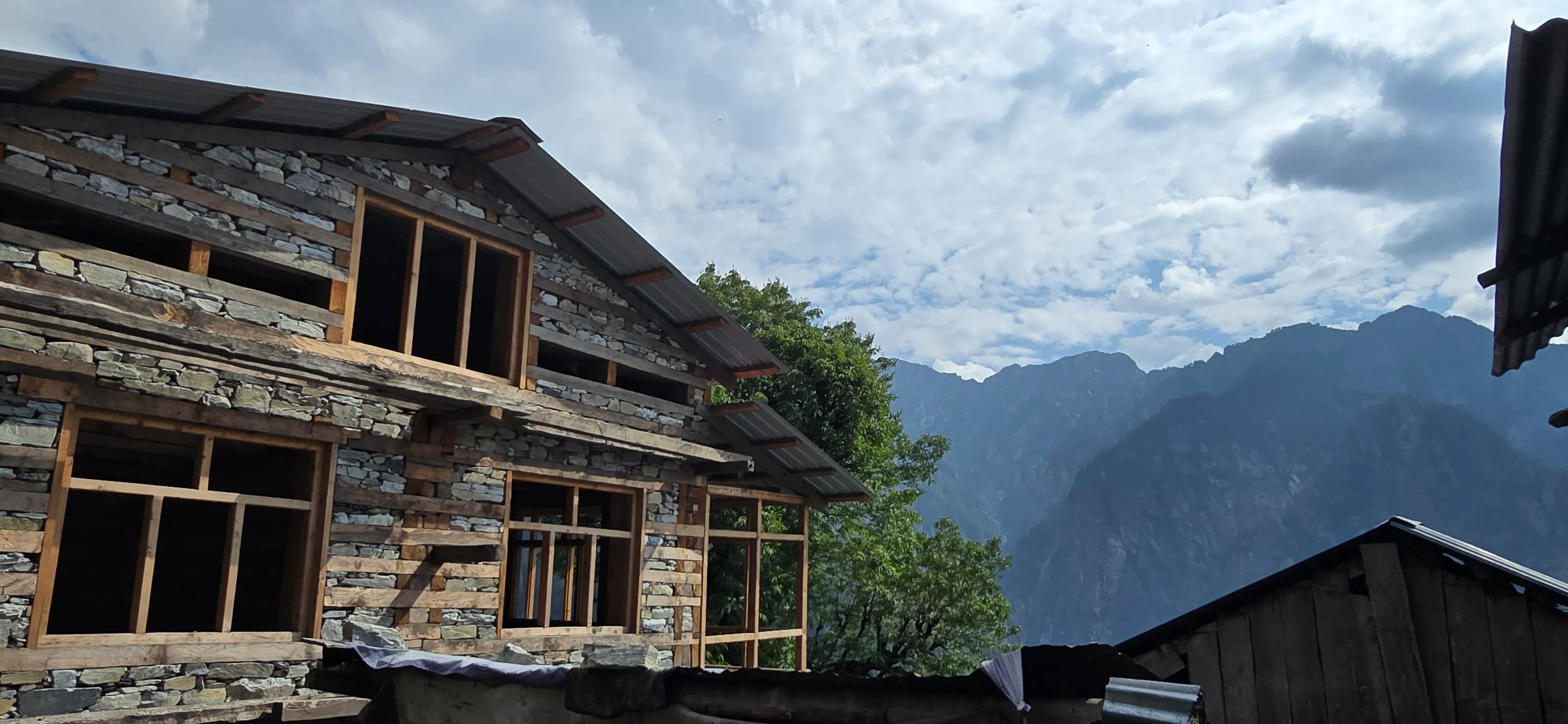
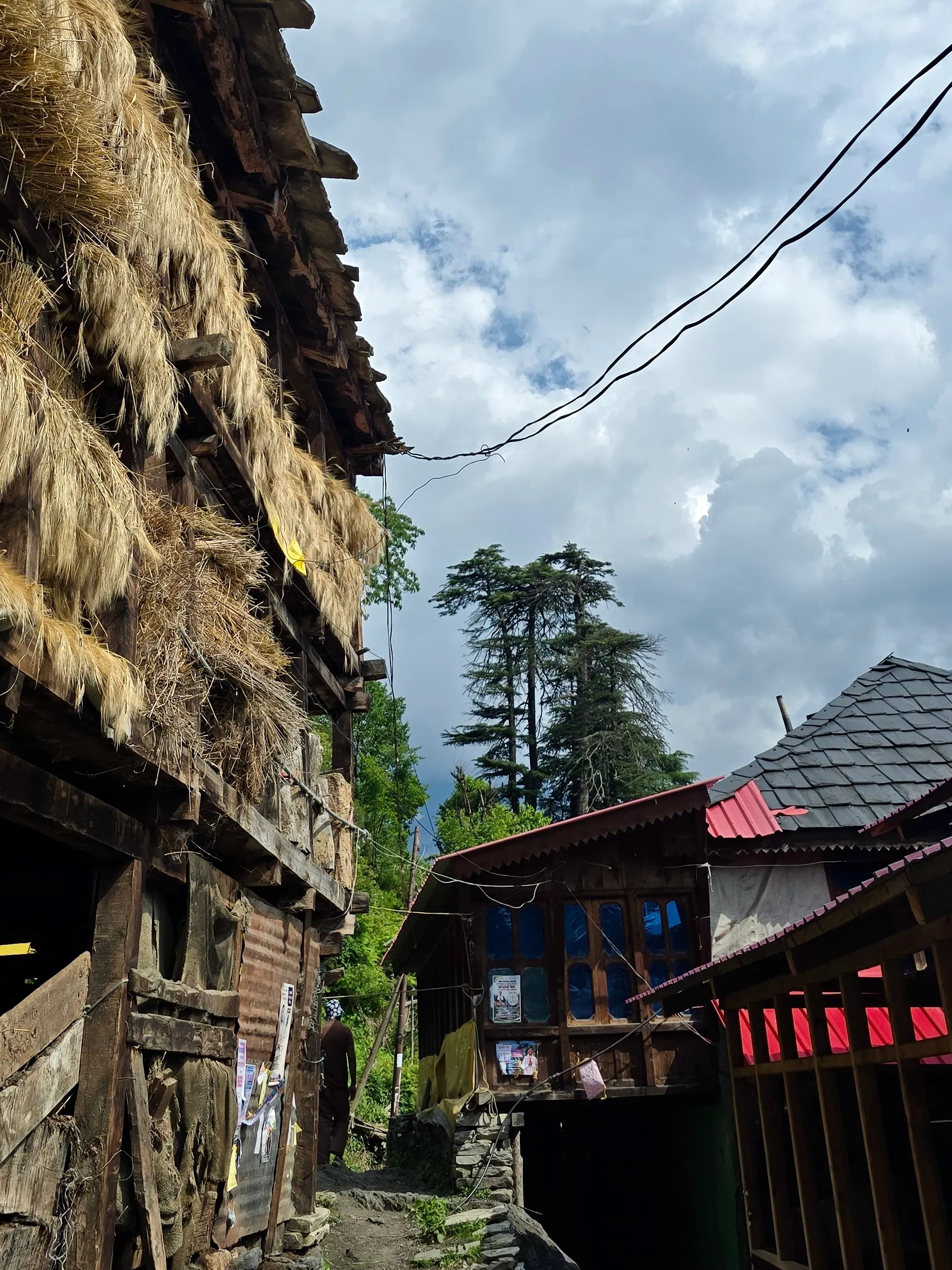
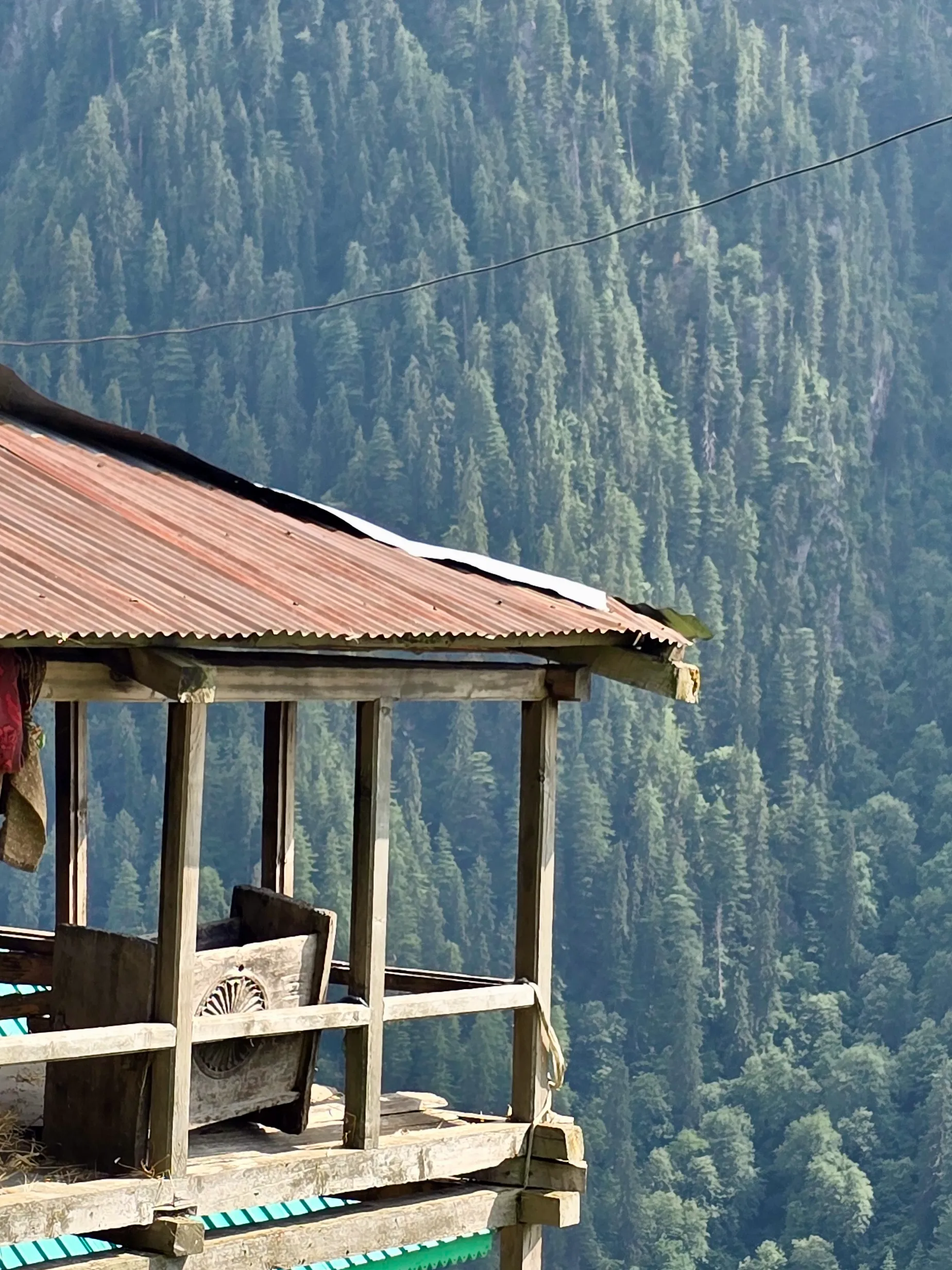
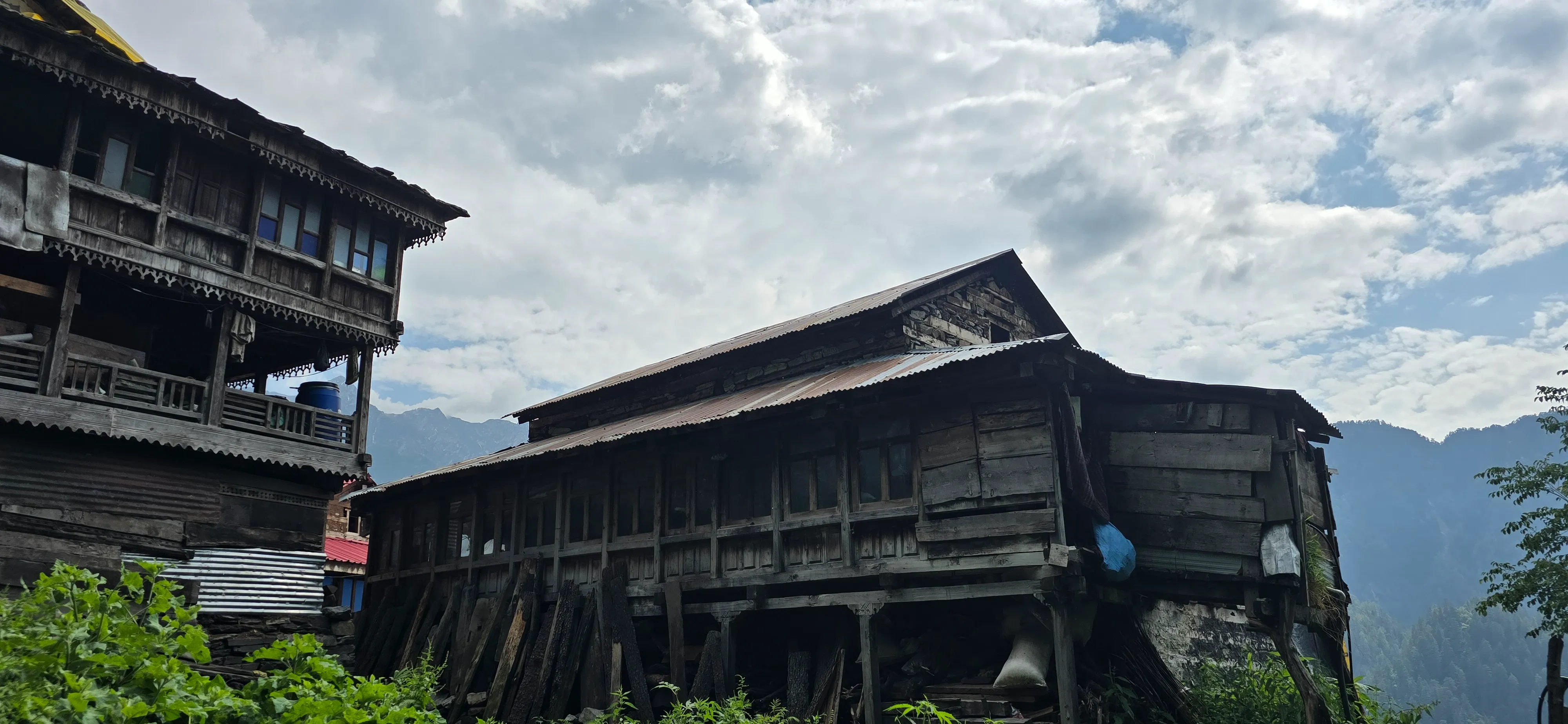
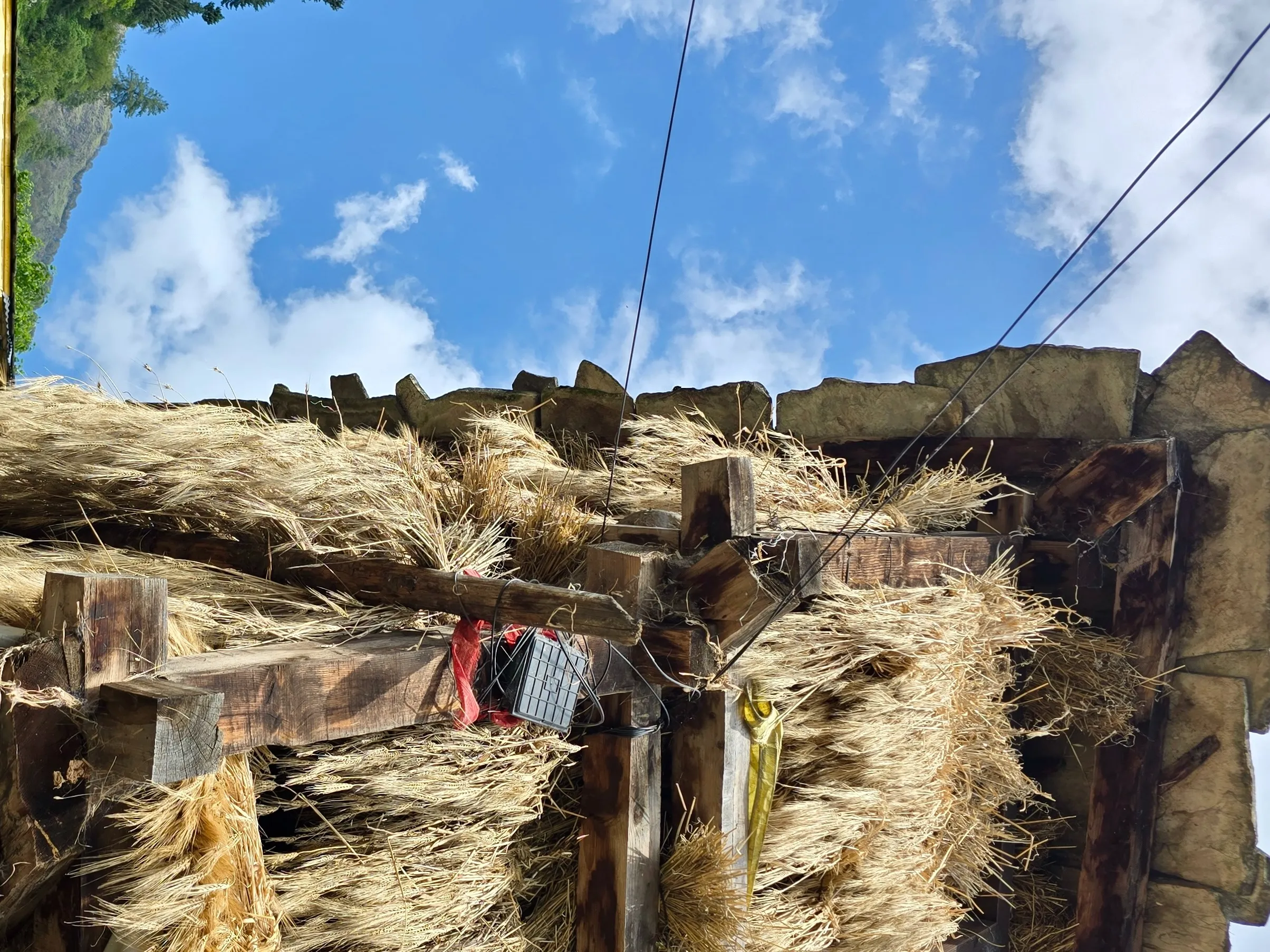
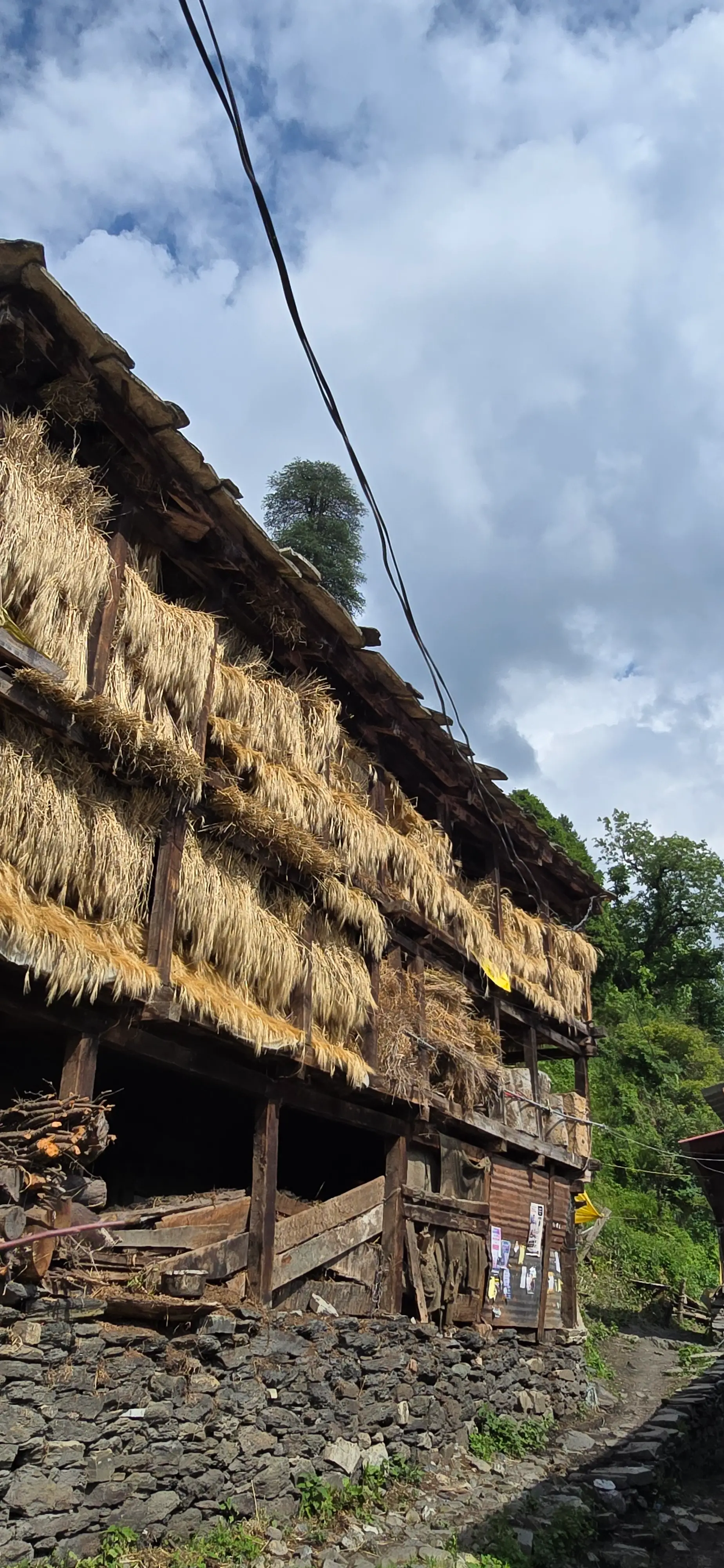
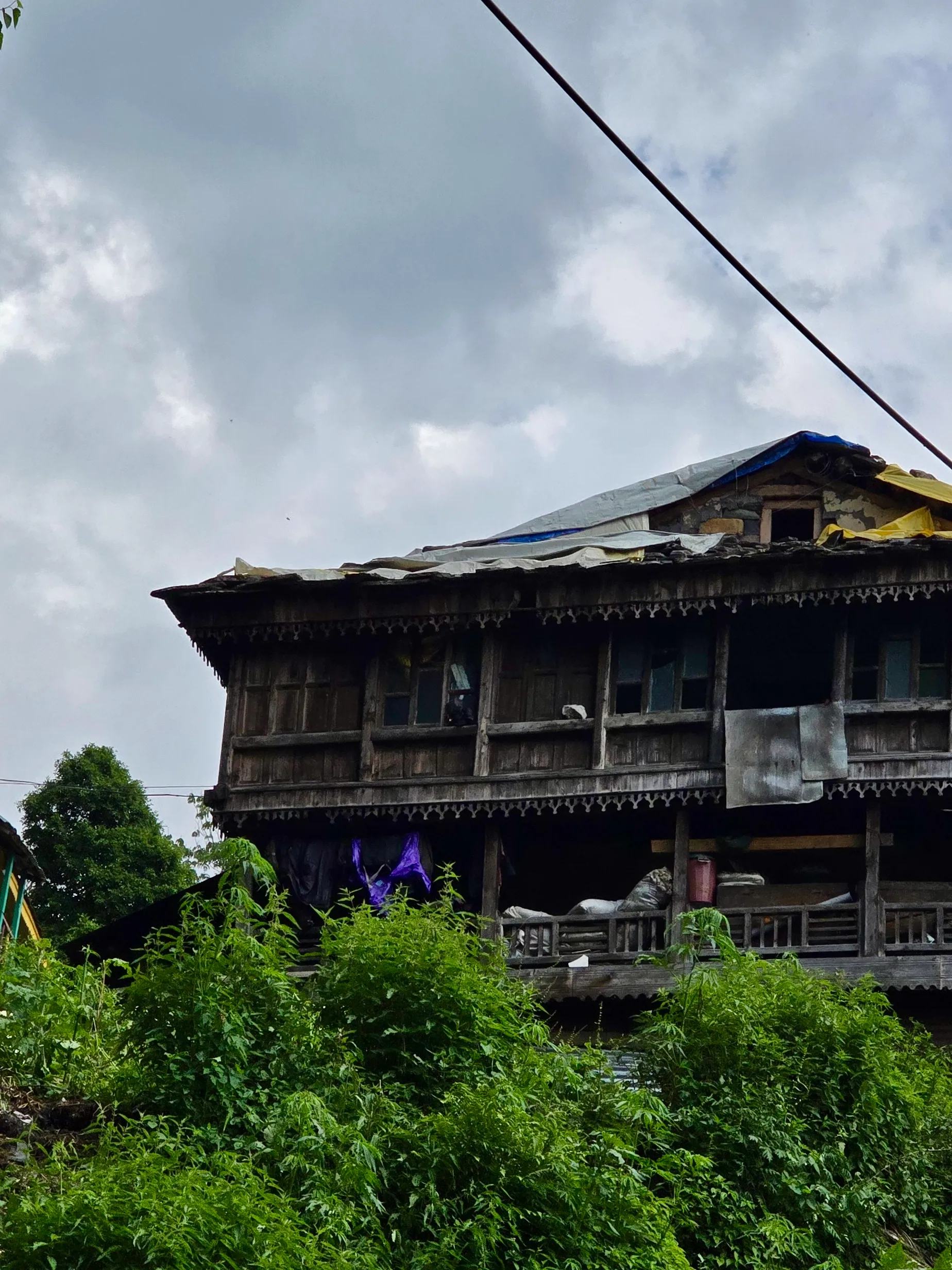
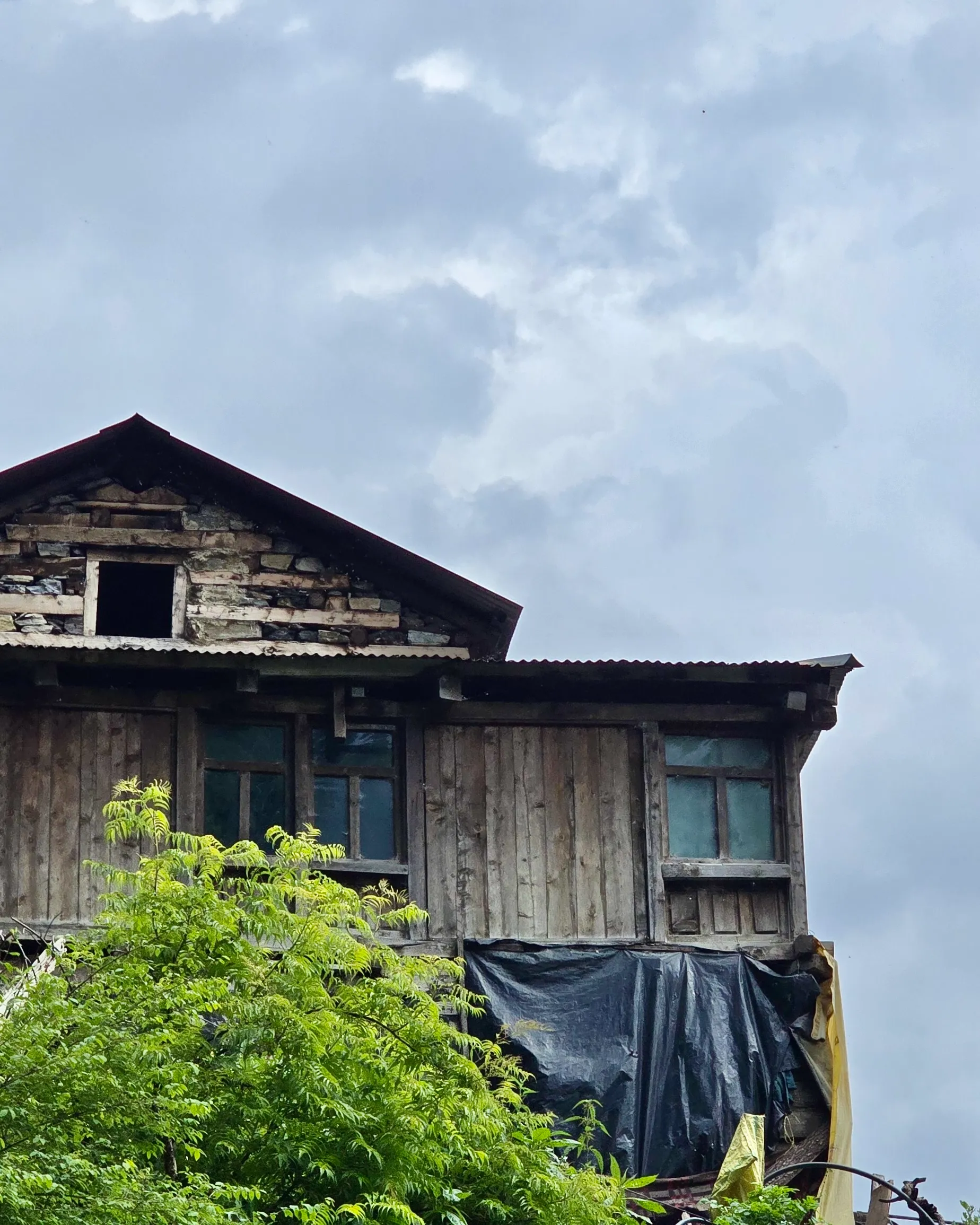
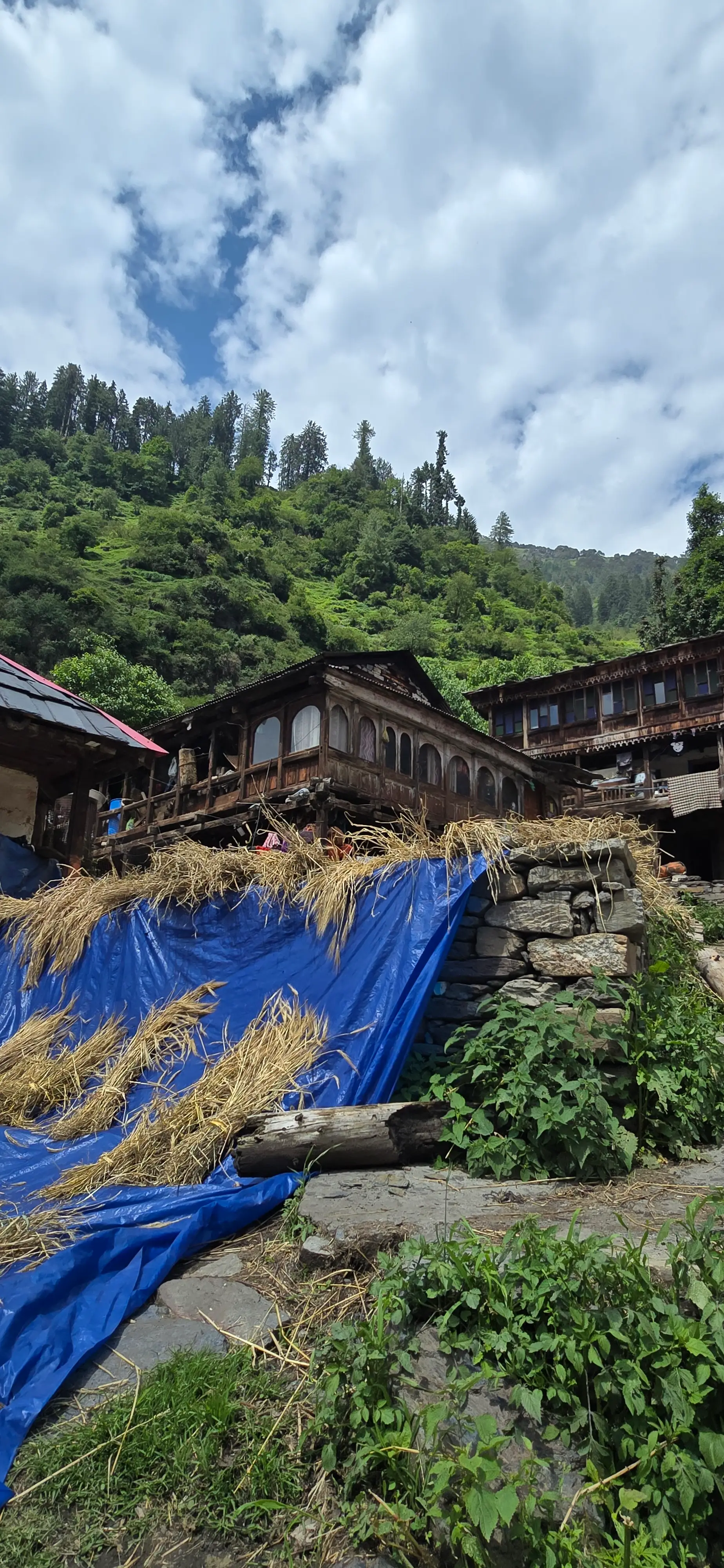
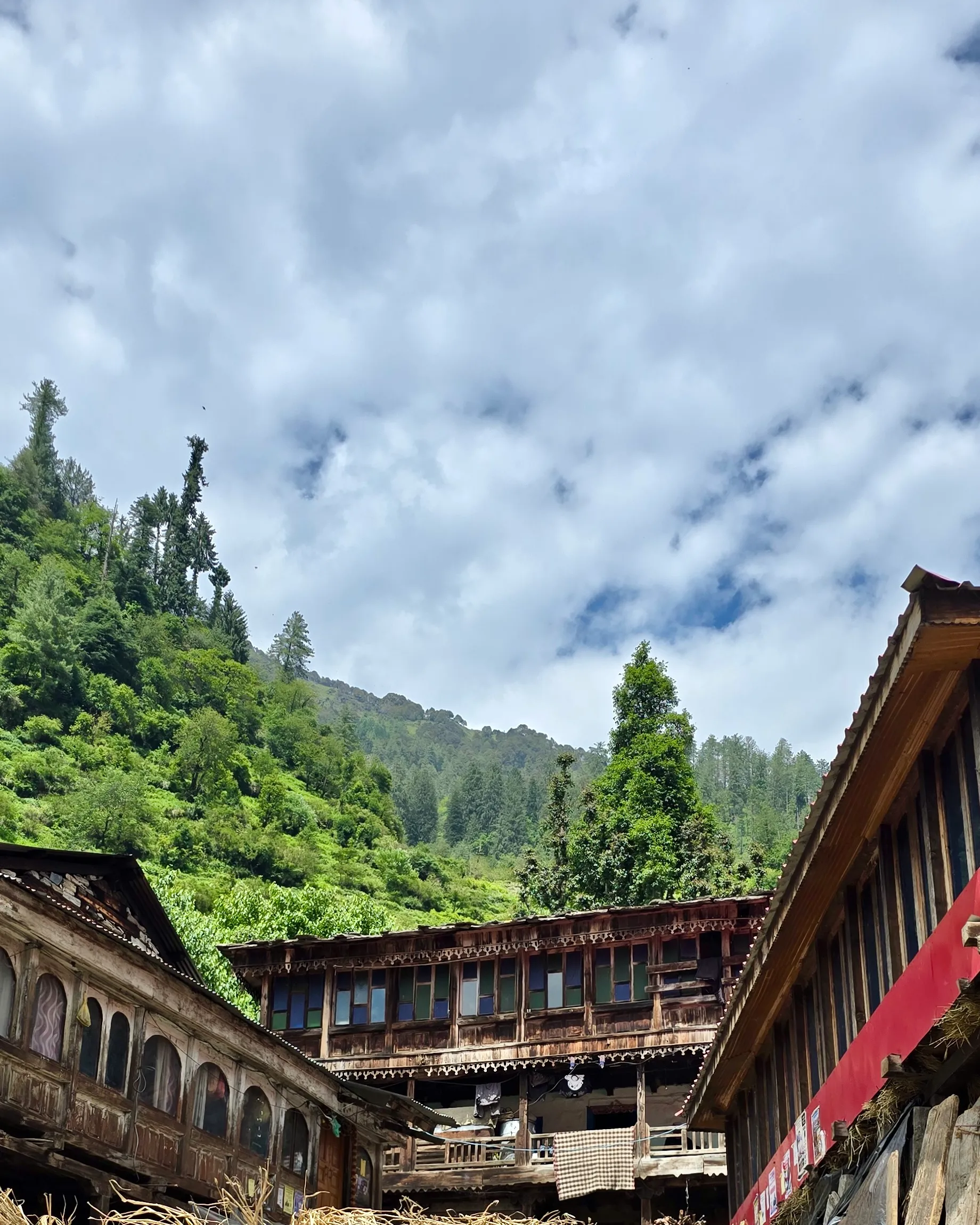
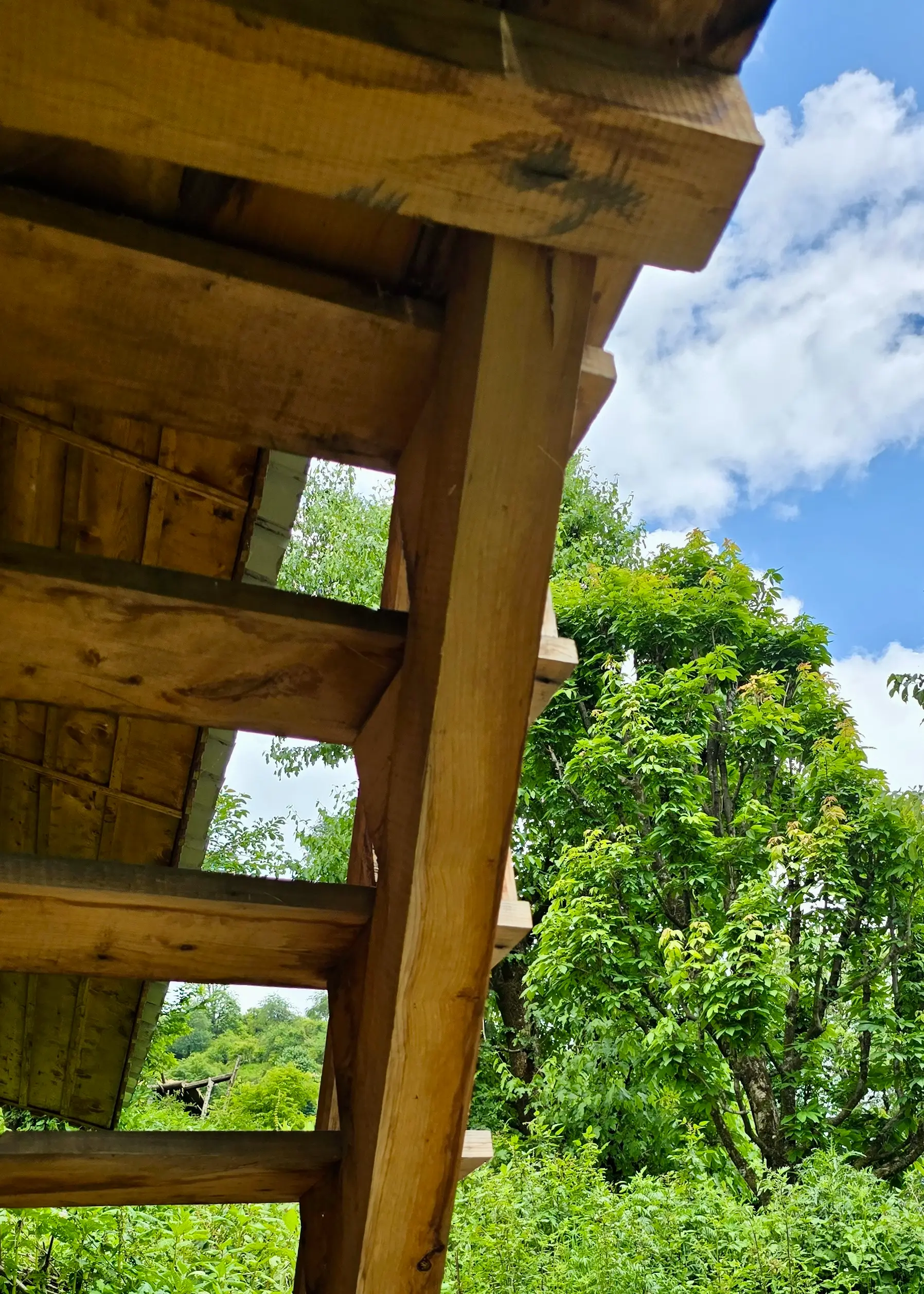
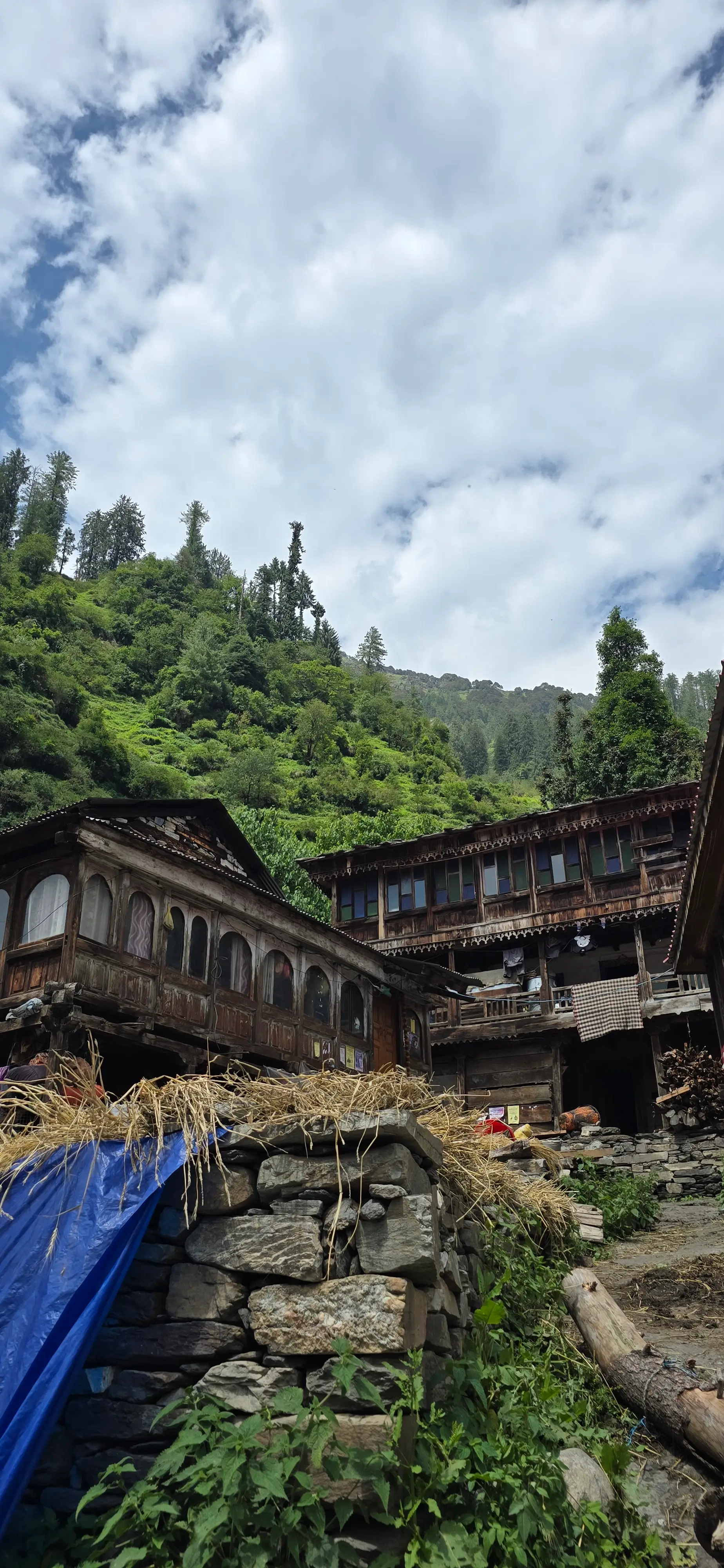
Grahan's houses are built in classic Himachali style: multi-storey stone and timber construction that has stood for generations, naturally cool in summer and warm in winter.

Common Questions
Everything You Need to Know
Take an overnight bus from Delhi's Kashmere Gate to Bhuntar, then an HRTC local bus to Kasol (₹50). The trek to Grahan begins just past the main bridge in Kasol: 10 km, easy to moderate, taking 4 to 5 hours. There are no roads into Grahan. Walking in is the only way.
Late March to June and September to November are ideal. Spring brings lush meadows and warm days. Autumn brings golden forests and crystal-clear skies with far fewer tourists. Avoid July and August if you dislike rain and slippery trails. Winters (December to February) see heavy snowfall and are for experienced trekkers only.
The trek is rated easy to moderate. The first 7 km follow a gentle gradient through cedar and oak forest along the Grahan Nala. The final 3 km are steeper. Good walking shoes and a reasonable level of fitness are enough. No technical equipment required.
The best experience is staying with Rik at Vanmaa, bookable on Airbnb at airbnb.co.in/p/vanmaa. Rik is a native of Grahan who offers warm hospitality, guided treks, and traditional Himachali cooking. Every booking directly funds the Vanmaa conservation initiative. The village also has a few basic homestays that can be arranged on arrival.
No mobile signal reaches the village or the trail up from Kasol. That said, Rik's place and the cafes in Grahan have Wi-Fi, so you can comfortably make WhatsApp calls, video calls, or even work remotely once you arrive. Download Google Maps offline for the trail before you leave Kasol, and you will be fine.
Grahan is the first stop on the famous Sar Pass Trek, a 4-day route via Biskeri Thach that reaches 4,390m. There are also beautiful short day-treks: the Waterfall Trail (3 waterfalls, half a day), the Village Ridge Walk for sunrise views, and Rik's private Shepherd's Circuit through ancient bugyals most outsiders never see.
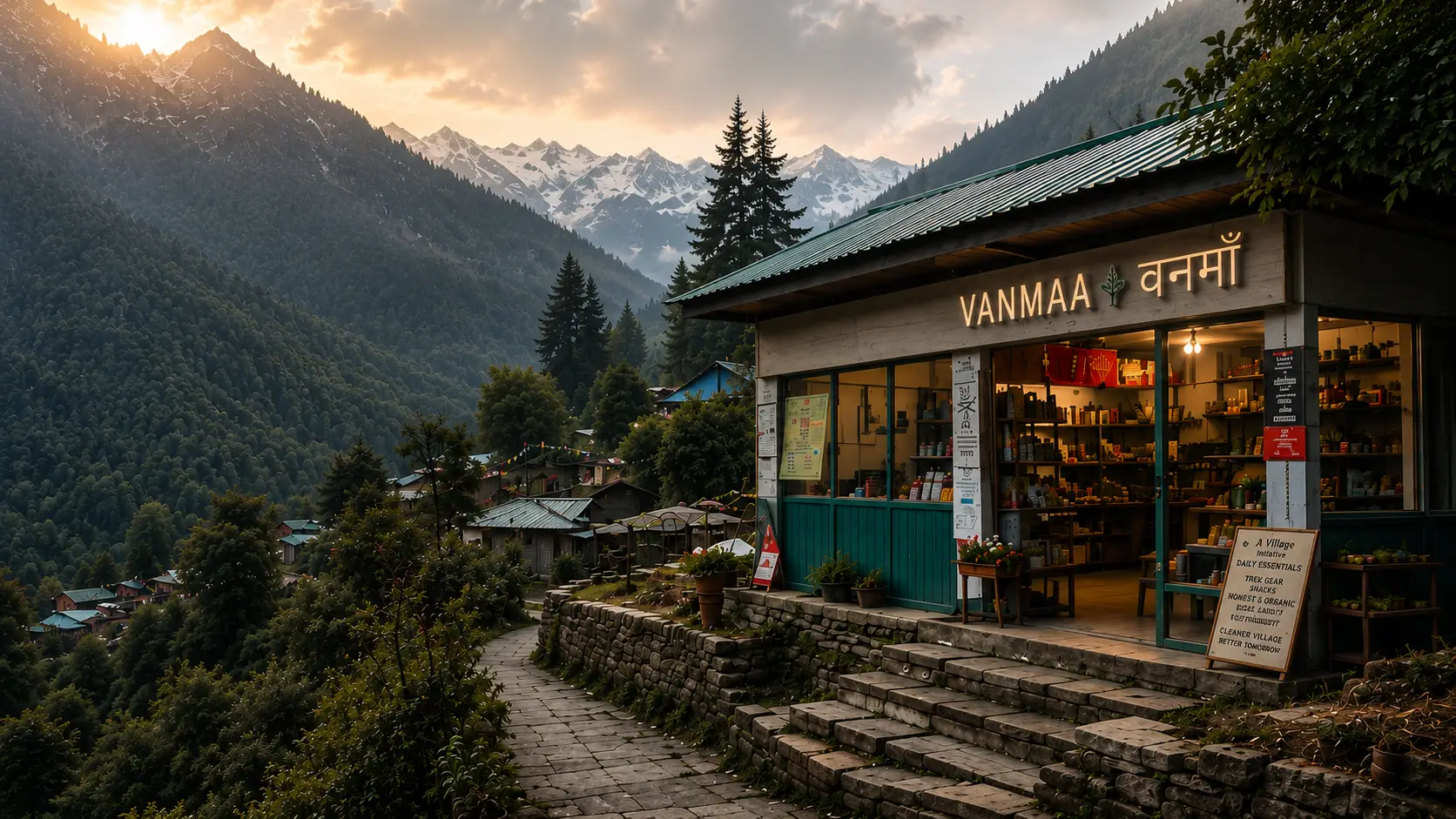
Vanmaa (वनमाँ) means "forest mother." It is a non-profit conservation initiative founded by Rik, a native of Grahan. The initiative organises regular clean-up treks, restores alpine meadows damaged by overgrazing, and channels tourism revenue into local village families. Every booking with Rik funds this work directly.
.webp)
.webp)
.webp)
.webp)
.webp)